Security | Threat Detection | Cyberattacks | DevSecOps | Compliance

Are we trusting AI too much?

Gone are the days when attackers had to break down doors. Now, they just log in with what look like legitimate credentials. This shift in tactics has been underway for a while, but the rapid adoption of artificial intelligence is adding a new layer of complexity. AI is a powerful tool, but our growing reliance on it comes with a catch: it’s eroding our critical thinking skills.

Reach Security Recognized as a Representative Provider of ASCA in the Gartner Innovation Insight: Automated Security Control Assessment

In its January 2026 research report, Innovation Insight: Automated Security Control Assessment, Gartner discusses why misconfigured security controls remain one of the most persistent drivers of breaches and why automation is now required to address the problem at scale.

EP 24 - FOMO, identity, and the realities of AI at scale

In this episode of Security Matters, host David Puner sits down with Ariel Pisetzky, chief information officer at CyberArk, for a candid look at the fast‑evolving intersection of AI, cybersecurity, and IT innovation. As organizations race to adopt AI, the fear of missing out is driving rapid decisions—often without enough consideration for identity, security, or long‑term impact.

AI Infrastructure Needs an Agentic Identity Framework - We're Building It

AI agents are about to cross a threshold. For infrastructure and security leaders, agentic AI is no longer an innovation topic but a production readiness problem. What started as sandboxed applications and tech demos at trade shows (bet you’ve seen a few of those) has morphed into long-running autonomous actors operating directly in production cloud and on-prem infrastructure. They read data, write code, deploy services, access databases, and make decisions continuously across environments.

AI Action > AI Advice

Sr. Technical Content Strategist From Advisory AI to Operational AI in Security Operations The early wave of AI SOC platforms has delivered mixed results. While AI proved its usefulness as a triage assistant and next-step remediation advisor, these benefits came with significant drawbacks. Foremost, the cost of outsourcing an AI SOC is significant. Medium enterprises could expect to pay anywhere from $120,000 – $360,000 a year for the service.

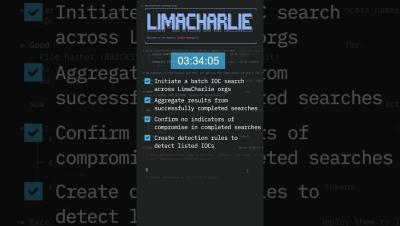
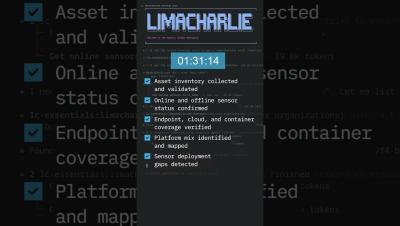
Claude Code reads a threat report, hunts for IOCs, and deploys detection rules #cybersecurity #ai

From threat intelligence article to deployed coverage. The AI agent extracts indicators, searches for compromise across tenants, confirms clean status, then creates and tests detection rules for ongoing protection within your LimaCharlie environment.

Safe agentic commerce starts with KYA and dynamic IDV

Product, fraud, and trust and safety teams at online merchants and marketplaces have been fighting bots for a long time. While there were occasional disagreements about how “bad” bots were (a purchase is a purchase, some might say), the general consensus often ranged from suspicious to block them all. But not anymore. As AI-powered browsers and agents become more commonplace, online merchants have to prepare for a world where agentic commerce is a standard sales channel.