Security | Threat Detection | Cyberattacks | DevSecOps | Compliance

Partial Scans vs. Full Scans: Which Delivers Better Security Coverage and Efficiency?

Vulnerability scanning is no longer optional for modern teams. With new features released weekly, and sometimes resources deployed and removed within hours, businesses need constant vigilance to stay ahead of attackers. The real question is: how often should you scan without slowing down the development process? Full scans are thorough but time-intensive, sometimes taking hours or days. Partial (incremental) scans are faster and CI/CD-friendly but risk missing critical gaps.

Snyk Ranked #51 on 2025 Forbes Cloud 100 List

We’re thrilled to share that Snyk has, for the sixth time and fifth consecutive year, been named to the Forbes Cloud 100 ranked at, recognizing the world’s most innovative private cloud companies. This year’s recognition is especially meaningful, reflecting the bold step we took in May to launch the AI Trust Platform, reorienting Snyk around a single mission — securing the future of AI-native software development.

zerodayx1: Hacktivist groups turning to ransomware operations

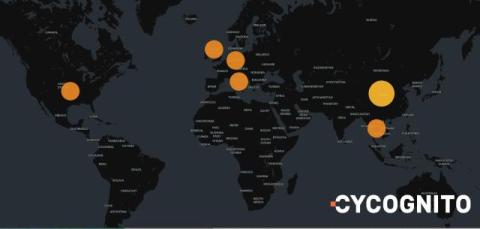
In July 2025, pro-Palestinian hacktivist group zerodayx1 launched its own Ransomware-as-a-Service (RaaS) operation, following the path of other hacktivist teams. They loudly announced the initiative on platforms commonly used for such purposes, including X (formerly Twitter) and Telegram. Zerodayx1 exemplifies the ongoing evolution of these groups, underscoring the importance of studying and understanding their methods in order to better prepare for and respond to such threats.

CVE-2025-10035 Critical Remote Code Execution in Fortra GoAnywhere MFT

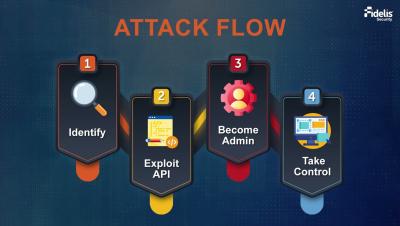
A new critical vulnerability, CVE-2025-10035, has been disclosed in Fortra’s GoAnywhere MFT, a widely used managed file transfer solution. The flaw lies in the License Servlet and allows unauthenticated attackers to achieve remote code execution (RCE) through crafted license responses. The vendor has rated this vulnerability as Critical (CVSS 10.0) due to its potential for complete system compromise over the network.

CVE-2025-10035: Maximum-Severity Command Injection Vulnerability in Fortra GoAnywhere MFT

On September 18, 2025, Fortra released a patch addressing a critical vulnerability in GoAnywhere Managed File Transfer (MFT), tracked as CVE-2025-10035. The vulnerability stems from a deserialization flaw in the License Servlet of GoAnywhere MFT, allowing a remote threat actor with a valid forged license response signature to deserialize an arbitrary, threat-actor-controlled object and potentially achieve command injection.

Shifting Security 'Lefter' Than Left Is The Key To Avoiding Risky Packages

As the AI revolution accelerates, developers are being inundated with a dazzling array of new software packages and game-changing tools such as GitHub CoPilot, Sourcegraph, Qodo, Cursor, Goose, and others that promise incredible advances in productivity and impact. The excitement over this is high and just keeps on growing.

Palo Alto Networks Acknowledges SquareX Research on Limitations of SWGs Against Last Mile Reassembly Attacks

SquareX first discovered and disclosed Last Mile Reassembly attacks at DEF CON 32 last year, warning the security community of 20+ attacks that allow attackers to bypass all major SASE/SSE solutions and smuggle malware through the browser. Despite responsible disclosures to all major SASE/SSE providers, no vendor has made an official statement to warn its customers about the vulnerability in the past 13 months - until two weeks ago.

Secure Your AI Workflows: New Governance & Visibility Features from Snyk

As AI transforms software development, AppSec teams face new complexities. For instance, the lack of visibility into where AI is being used and the reality that AI-generated code is often highly vulnerable make it nearly impossible to prioritize remediation and effectively scale security programs. To succeed, AppSec teams have to evolve from task managers to strategic governance enforcers.