Mailchimp
Not subscribed to OpsMatters Newsletter


Zero trust is everyone’s favourite topic at the moment. But underneath its appealing phrasing lies a significant amount of market confusion over exactly what it is. Allow me to bust some myths.
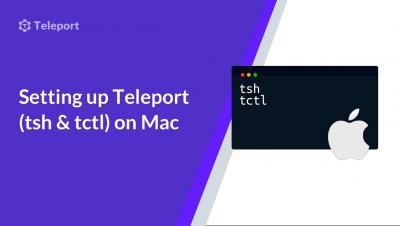
https://goteleport.com/docs/installation/#macos
0:00 Introduction
2:00 tsh login
2:56 tsh ls
3:35 tsh ssh
3:58 tsh help
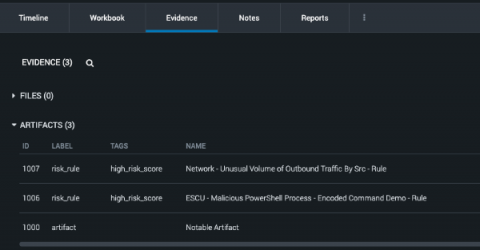
No matter how advanced your Security Operations Center (SOC) is, pre-built Playbook Packs from Splunk can augment your analysts with automation that scales with your organization’s maturity. SplunkⓇ Enterprise Security (ES) users can achieve this scalable automation by using a pre-built Risk Notable Playbook Pack in Splunk SOAR.
The UK’s first cybersecurity strategy was launched in 2009 and outlined that whatever the shape of the cybersecurity mission, it made no sense to silo it away from other aspects of national security. To be effective, it had to be able to take advantage of high-grade intelligence and other security capabilities. The strategy outlined how the country needed to invest more in getting the public and private partnership really working.
A recent Facebook post from a family member made me realize that I needed to write about an overused term. A term, that when used, causes chaos and concern. I don’t blame the family member for using it, I’ve seen it used hundreds of times over the past few years and I’ve seen IT and cybersecurity professionals respond without correcting, even, on occasion, offering bad advice.
To stay ahead of malicious attacks, developers and security teams must have a way to identify, prioritize, fix, and monitor vulnerabilities, a process known as vulnerability remediation. When it comes to detection, organizations can use a variety of application security testing (AST) tools to identify vulnerabilities in software applications and other systems.