Mailchimp
Not subscribed to OpsMatters Newsletter


To understand this headline better we need to have a better understanding of the traditional ways we think about Software-as-a-Service (SaaS) platforms and public cloud platforms. The difference lies in the starting point of these two solutions, while SaaS started as an extension of the corporate network, the public cloud started as an extension of the data center.
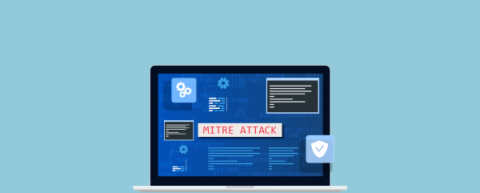
With a threat landscape expanding at an accelerated pace, it is next to impossible for any organization to even keep track of and monitor the volume, frequency, complexity, and breadth of the attack techniques and tactics out there. But to effectively tackle threats and protect mission-critical assets, the knowledge of these common attack techniques, tactics, detection, and mitigation is critical. This is where MITRE ATT&CK is especially useful.
While online learning provides many positive opportunities for learners and teachers alike, it is more important than ever to strengthen cybersecurity defenses to deal with new and emerging attacks. As school is back in session, now is a good time to double-check that you’re doing everything necessary to keep your data (and your homework) secure online.
According to a recent government assessment, India needs a regulatory body to oversee and categorise online gambling websites. The study, which was created by a committee of senior officials under Prime Minister Narendra Modi, advocated for involvement and tougher categorization of India’s online gaming industry.
In 2021, there were an estimated 4.19 million cybersecurity professionals in the workforce — an increase of more than 700,000 since 2020. This welcome growth suggests businesses are now taking online threats more seriously than ever. But while the cybersecurity workforce is growing, it’s still a long way from where it should be. Skills shortages in cybersecurity are currently the highest on record.
The PCI Council has set a robust framework comprising a comprehensive set of requirements for enhancing the security of payment card data. So, prior to performing the final PCI DSS Audit, most Level 1 Merchants conduct a PCI Readiness Assessment. This is to validate the effectiveness of their security implementation and the readiness for the final audit.