Security | Threat Detection | Cyberattacks | DevSecOps | Compliance

Choosing the Right Packaging for Perfume Products

The quality and longevity of perfume products depend heavily on proper packaging and storage. Many perfumes, including essential oils, blended fragrances, and specialty formulas, are sensitive to light, air, and temperature changes. Without suitable containers, these products can degrade, losing fragrance, color, and overall effectiveness. Choosing the right packaging ensures that perfumes remain stable and maintain their intended scent profile over time.

Cyber Warfare Comes to West Michigan: What the Stryker Cyberattack Means for Manufacturing

In March 2026, one of West Michigan's most recognizable manufacturers found itself at the center of a major cybersecurity incident. Medical technology company Stryker, headquartered near Grand Rapids, experienced a widespread cyberattack that reportedly disrupted systems across its global network.

From Data Theft to Production Shutdown: The Top 3 Ransomware Threats Facing U.S. Manufacturers in 2026

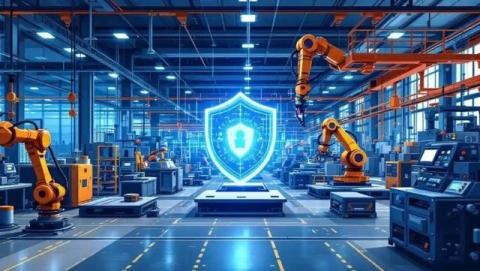
The manufacturing sector remains one of the most aggressively targeted industries in the ransomware economy. In 2026, threat actors are no longer merely encrypting file servers-they are disrupting production lines, freezing ERP systems, and leveraging operational downtime as a strategic pressure point.

Why identity security is a production asset in manufacturing

When a production line stops, the clock starts ticking. In manufacturing environments I’ve worked in, every minute of downtime can translate into missed delivery commitments and revenue you’ll never see again. How long that outage lasts will be decided in the first few minutes, when identity ownership and decision authority are still being sorted out. That authority gap is easy to underestimate. Manufacturing leaders already plan extensively for physical disruption.

Common Mistakes in Implementing Manufacturing Automation and How to Avoid Them

The benefits of manufacturing automation are plentiful, from efficiency to cost-effectiveness. But the implementation process brings its own set of challenges for various businesses. By recognizing common mistakes, organizations can eliminate bottlenecks and achieve better outcomes.

Can Manufacturing Defects Really Compromise Your Network's Data?

Whenever we consider network security, it tends to cross our mind that we are dealing with hackers, malware or poor passwords. However, there is a less conspicuous danger that never makes the news: the physical elements that constitute your network infrastructure. In particular, the printed circuit boards (PCBs) that drive your routers, switches, and servers may have manufacturing defects that open holes in your security that you never thought of.

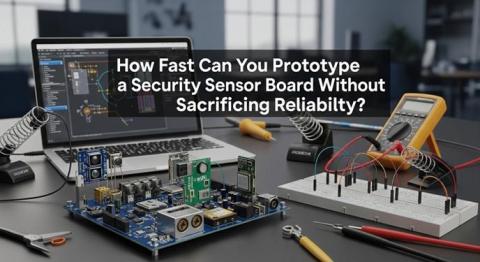
How Fast Can You Prototype a Security Sensor Board Without Sacrificing Reliability?

Product development is dependent on speed. However, in the case of security sensor boards, which are gadgets designed to identify intrusions, surveillance or guarding of critical infrastructure, corners cannot be cut. Now, the trick is to find that delicate balance in order to move rapidly through prototyping and yet avoid ending up with an unreliable product that fails in crucial moments.

How Can Startups Source Affordable PCBs Without Sacrificing Quality?

The idea of starting a hardware business is exciting, and that is before you receive your first PCB quote. You wake up looking at numbers that have made your hard-planned budget look like a fairy tale. To most startups, the printed circuit boards may be one of the largest initial manufacturing expenses and the temptation to cut corners can be overwhelming. But cheap PCBs that fail in the field are more costly than one can save. Return, tarnished reputation, and redesign are known to sink the prospects of the most prospective young firms. Where do you find confidence in cost meeting reliability?

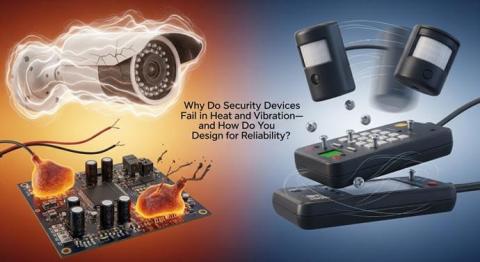
Why Do Security Devices Fail in Heat and Vibration-and How Do You Design for Reliability?

Security systems should be functioning at the time you need them the most. However, the point is that in this case, they tend to work in environments that would make the majority of electronics give up. Imagine a surveillance camera on a desert highway, where it is 120°F and the sun is blaring. Or a movement detector in a factory store, which is shook by machinery all the time. These aren't edge cases. They are daily facts to security equipment.

Why Do High-End Security Cameras Fail Unexpectedly?

You would imagine that with high dollar spending on a security camera system, it would perform perfectly, right? However, so many of these businesses and house owners have seen their surveillance systems, which are being used to monitor their premises, go black at the worst possible time. It is annoying, expensive, and quite unacceptable when you have spent thousands of dollars in what would have been considered a sure safety net.