Security | Threat Detection | Cyberattacks | DevSecOps | Compliance

Definition of Precision Machinery and Its Importance for Core Sectors

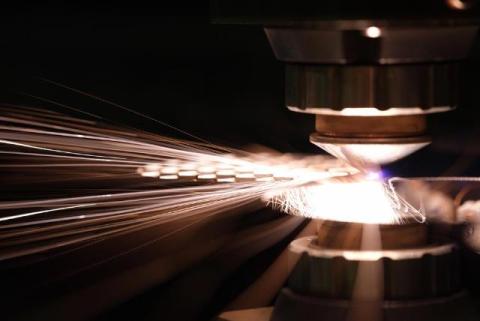
In any modern industry, accuracy serves as a strategic advantage, not only a technical requirement. This accuracy is vital in industries like aerospace, medical devices, semiconductors, and automation. These companies require components that are machined with unparalleled precision and consistency. The industrial machinery focused on this is called precision machinery.

Building Resilience with Surge Protection Device DC: Solutions for Critical Systems and Infrastructure

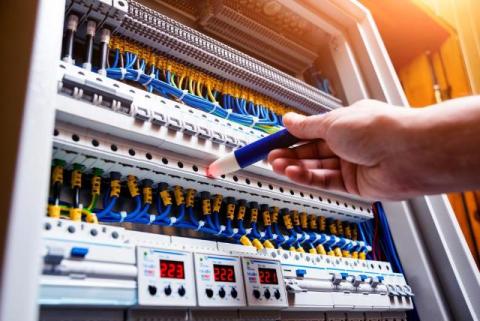
Critical systems and infrastructure are now prioritized and protected in an era of increased digitization and electricity reliance. From data centers to transportation networks, from plants harnessing renewable energy to industrial automation, preserving the uptime of these systems is crucial for a business's seamless continuity. A core element in preserving such resilience is the surge protection device DC-a device designed to safeguard delicate electronics and apparatus from voltage spikes, stemming from switching, lightning strikes, electrical faults and so on.

Digital Factories, Digital Dangers: Why Manufacturing is a Prime Target for Cyberattacks

Digital connectivity is reshaping European manufacturing, driving both efficiency and innovation. However, this shift has also created a complex and vulnerable cyber threat landscape, making manufacturing the most targeted industry for cyberattacks for the past four years. Connected systems and legacy infrastructure are colliding, expanding the attack surface and exposing manufacturers to increased risks.

Why 3D Printing Services Are Revolutionizing Modern Manufacturing

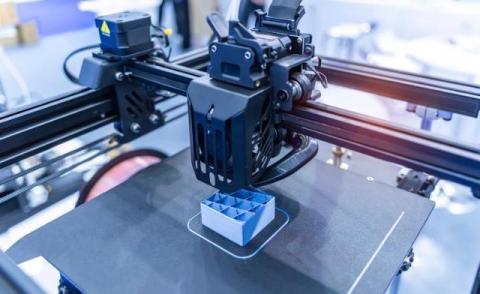
Manufacturing's been under serious pressure lately. Between delays in the supply chain and the growing demand for eco-friendly processes, it's a tough environment. On top of that, customers now want faster production and more personalized options. The old-school manufacturing systems just aren't cutting it anymore; they weren't built for the kind of flexibility and speed today's market demands.

Securing the Industrial Identity Fabric: Tackling Identity Risk in Global Manufacturing

As manufacturing environments become more interconnected and identity-driven, securing the industrial identity fabric is critical to operational resilience and cyber defense. In this 30-minute session, we explore why identity is now the new perimeter—especially in complex, hybrid OT/IT manufacturing ecosystems.

Precision in Progress: Modernizing Quality Control on the Factory Floor

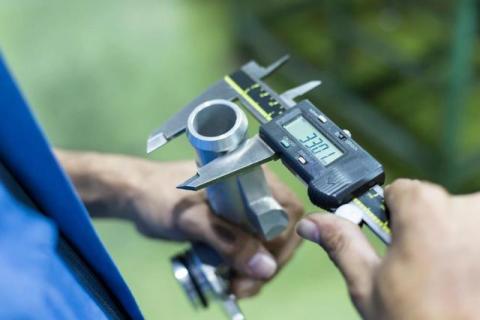
Old-school inspection methods still shape how products get built today. While consistently successful, these results aren't without their shortcomings. Final checks catch issues late, and sampling can miss hidden trends. Manufacturers need sharper tools. That's where modern quality control enters, bringing automation, real-time data, and predictive insight. Instead of reacting to problems, teams can now prevent them. It's not simply a matter of efficiency. Precision goes up, waste goes down, and your wallet thanks you. Big time.

The Unique Cybersecurity Risks in the Manufacturing Sector

For the fourth year running, in 2025, the IBM X-Force Threat Intelligence Index crowned the manufacturing sector as the number one targeted industry for cybercrime, representing 26% of incidents. The problem is so bad that manufacturing has even managed to defy malware's decline, with attackers exploiting the industry's legacy technology to deploy ransomware at a massive scale. But why is the manufacturing sector so vulnerable? What unique cybersecurity risks does it face?

Why Manufacturing Organizations Need Privileged Access Management for IIoT Security

Manufacturing organizations need Privileged Access Management (PAM) for Industrial Internet of Things (IIoT) security because it protects critical systems and devices by ensuring that only authorized users have access. IIoT refers to a network of connected devices that work together to collect and analyze data across industrial sectors to improve operational efficiency. As IIoT becomes increasingly integral to manufacturing, securing these connected systems is more important than ever.

Best Practices To Manage Cybersecurity for Digital Manufacturing

Like every industry, the manufacturing sector has embraced digital transformation to improve operations. Digital manufacturing uses technologies like Internet of Things (IoT) devices, data analytics, and cloud computing to improve production processes and gain efficiencies. With businesses increasingly embracing digital transformation, they face the challenge of securing interconnected systems.

Why Manufacturing Needs SASE: Securing Smart Factories and Global Operations

Imagine you’re the Director of IT for a global manufacturing company. You must keep production sites, suppliers, and remote workers securely connected while controlling costs and meeting compliance. Every day, new challenges arise: If this sounds familiar, you’re not alone. Manufacturing is rapidly evolving with Industry 4.0, where smart factories use automation, IoT, AI analytics, and real-time data to optimize production and efficiency.