Security | Threat Detection | Cyberattacks | DevSecOps | Compliance

The Role of Mechanical Insulation in Sustainable Building Design

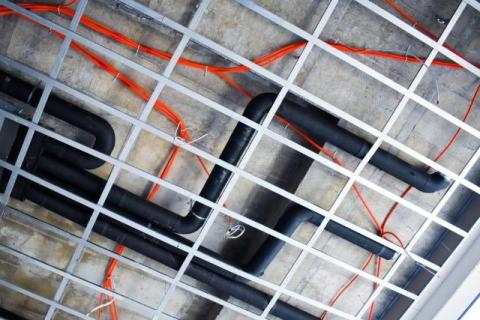
Sustainable building design has become more than just a trend. Across commercial, industrial, and institutional projects, owners are looking for practical ways to reduce energy use, lower operating costs, and create healthier environments for occupants. While technologies like solar panels, smart lighting, and automated HVAC controls often receive the most attention, one of the most effective solutions is also one of the least visible: mechanical insulation.

Warehouse Security That Keeps Operations Moving

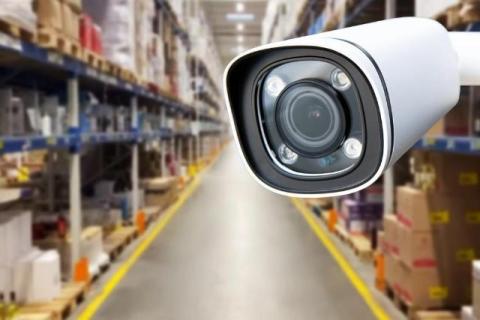
Warehouses are built for motion. Trucks arrive, products move, employees shift between zones, and valuable inventory often sits in multiple areas at once. That constant activity creates opportunities, but it also creates risk. For operators who need better visibility, safer access, and stronger protection, it can make sense to hire ADR Security when planning a system that supports daily warehouse operations without slowing them down.

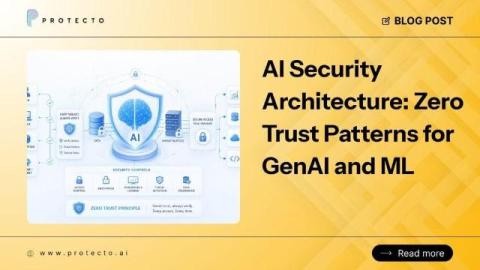
AI Security Architecture: Zero Trust Patterns for GenAI and ML

There is no doubt that AI, or Artificial Intelligence, is rapidly changing how businesses are operating. However, it also brings new risks when it comes to data. As per industry reports, 72% of companies mention that there has been a significant increase in organizational cyber risks. It is therefore necessary to have a strong AI security architecture that helps to protect sensitive information. In light of this, 85% of organizations are now increasing their cybersecurity budget.

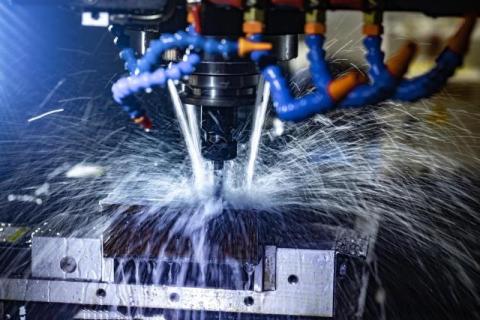
Drilling vs Boring: Key Differences That Impact Precision

When you first step into the world of machining, it's easy to assume that all hole-making processes are basically the same. A hole is a hole, right? Not quite. If you've ever had a part fail tolerance checks or struggled with surface finish issues, you already know that the details matter. That's where the debate of drilling vs boring comes in. These two processes may look similar on the surface, but they serve very different purposes in real-world manufacturing. Choosing the wrong one can cost time, money, and even your reputation.

What Composable Apps Mean for the Web3 Ecosystem

Composable applications are becoming a defining feature of how Web3 ecosystems develop and scale. These apps are built to work together rather than operate in isolation, allowing developers to reuse existing components and users to benefit from interconnected functionality.

Why a strategic MVP is needed for scalable software

Minimum Viable Product is the exact opposite of MVP in sports, the Most Valuable Player. One danger is to treat it as the latter by over-investing time and resources into it, missing the point that it's about validating the business idea and core value proposition. But, many also go too far the other way and under-bake the features, treat the core code as disposable, and end up later building the real product on top of a mistreated foundation with technical debt.

Why Some UX Design Work Just Feels Right

Spend enough time around digital products and a pattern starts to emerge. Some interfaces feel easy almost immediately. You move through them without thinking much about where to click or what a button means. Other products do the opposite. They slow people down in quiet, frustrating ways. The difference rarely comes down to colors or fonts. More often it's the logic underneath the interface. The structure of decisions. The way the product anticipates what someone might want to do next.

Web Design Mistakes That Hurt Conversions and How to Fix Them

Sales and/or inquiries may not always follow from a visually appealing website. Most companies make costly web design errors that subtly turn off potential clients when they focus all of their energy on graphics and neglect usability and performance. In case conversions stop, it is not because of traffic, but because of experience.

How Fast Can You Prototype a Security Sensor Board Without Sacrificing Reliability?

Product development is dependent on speed. However, in the case of security sensor boards, which are gadgets designed to identify intrusions, surveillance or guarding of critical infrastructure, corners cannot be cut. Now, the trick is to find that delicate balance in order to move rapidly through prototyping and yet avoid ending up with an unreliable product that fails in crucial moments.