
Common Mistakes in Implementing Manufacturing Automation and How to Avoid Them
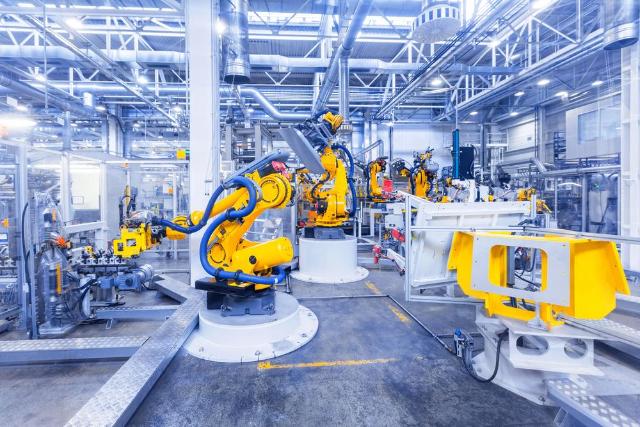
Image Source: depositphotos.com
The benefits of manufacturing automation are plentiful, from efficiency to cost-effectiveness. But the implementation process brings its own set of challenges for various businesses. By recognizing common mistakes, organizations can eliminate bottlenecks and achieve better outcomes.
Common Mistakes in Manufacturing Automation and Fixes
Let’s discuss some common mistakes when automating something and how to avoid these pitfalls.
Scaling Automation for Growth
As businesses expand, automation needs to evolve beyond basic efficiency and support higher production volumes without disrupting operations. Many companies make the mistake of implementing rigid systems that struggle to scale as demand increases. This is especially relevant in industries like food and beverage, where growth can be rapid and consistent output is critical. To handle this effectively, manufacturers should invest in flexible and scalable solutions, such as a filling water machine, which can maintain efficiency while adapting to increased production requirements and preventing bottlenecks.
Lack of Clear Objectives
A big mistake is not to set clear goals. If you do not know what results you expect, it becomes impossible to measure your success. Businesses might buy technology without clearly understanding how it relates to their needs or workflows. To prevent this, companies must specify targets such as increasing production speed, improving product quality, or reducing waste. When implementing manufacturing process automation, well-defined goals help guide decisions and make it easier to evaluate whether the automation is genuinely effective.
Inadequate Training
Employees often lack sufficient training for new systems. This leaves room for mistakes and waste. It should include not only the technical elements but also the advantages and workflow changes. All of these things, combined, ensure that employees feel they can do their jobs. Regular updates and refreshers keep staff in the know about new developments.
Ignore Integration Challenges
Automation tools need to integrate seamlessly with the existing systems. Ignoring potential compatibility issues can cause operations to go haywire. Conduct an assessment of the current infrastructure to identify possible upgrades. It can be implemented with existing technology providers to ensure the new system works with existing processes. Smart integration reduces interruptions and enhances effectiveness.
Overlook Maintenance Needs
Engagement automation has reigned supreme for years across every company, but in many cases, businesses ignore the other maintenance. For its best performance, it requires regular maintenance. The procedure includes regular checks, software upgrades, and immediate troubleshooting. A preventive maintenance plan can prevent unforeseen failures and extend equipment longevity. By avoiding issues before they cause downtime, relevant organizations maintain productivity.
Underestimate Costs
Automation requires a significant monetary investment, and underestimating costs can lead to budget overruns. Businesses should take into account not just the purchase itself but the recurring costs. This includes upkeep, training, and potential upgrades. Calculating the total costs will help you stay within your budget and avoid financial stress. Ensure a smooth implementation and operation as part of your financial preparation.
Neglect Employee Involvement
Does automation make us worry about losing our jobs? Enlisting employees breeds resistance and fear, which are detrimental to the business process. By engaging staff from the outset, these worries can be alleviated. We should provide workers with detailed information about the impact of automation on their roles. We strengthen collaboration through giving positive feedback and sharing proposals. When employees feel included, it is easier to re-contract and implement new systems.
Fail to Monitor Performance
The automated systems should be implemented, and their performance should be tracked. If we do not measure, we miss that opportunity. Assessments can reveal what needs to change. Establishing a few key performance indicators (KPIs) helps you effectively measure success. This aspect is essential because automation must constantly align with business objectives, and continuous monitoring supports that.
Overcomplicate the Process
A gradual increase in automation is helpful when managing configurations. This reduces the risk of overwhelming the team and ensures stability. But many companies aim for too much in one go, making a mess of everything. This process can also produce better results when conducted in topical areas. Having those priorities enables more gradual transitions and makes debugging less painful.
Ignore Feedback
Employee and customer feedback is priceless business collateral. Disregarding any input could lead to missed opportunities and frustration. By receiving regular feedback on this product, businesses can easily implement the required adjustments. Letting your ears listen to those who interact with the systems on a day-to-day basis helps you identify avenues for improvement. Customer feedback can also indicate where automation improves or impacts the customer experience.
Conclusion
Automation in manufacturing is inevitable, but its implementation cannot be haphazard. Identifying and Learning from Common Mistakes for the Benefit of Business Processes and Outcomes. Finding clear outcomes, providing enough training, and integrating properly are essential. Plus, engaging staff, tracking performance, and appreciating feedback are key to a smooth transition. When done with intent, it can have substantial, positive implications for manufacturing.