Security | Threat Detection | Cyberattacks | DevSecOps | Compliance

The AI attack surface with Katherine McNamara

Join us for this week's Defender Fridays as Katherine McNamara, Cybersecurity Technical Solutions Architect at Cisco, breaks down the expanding attack surface of AI and ML systems and what organizations need to do to secure them before it's too late. At Defender Fridays, we delve into the dynamic world of information security, exploring its defensive side with seasoned professionals from across the industry. Our aim is simple yet ambitious: to foster a collaborative space where ideas flow freely, experiences are shared, and knowledge expands.

Beyond the Firewall: Growing Your MSP with NDR

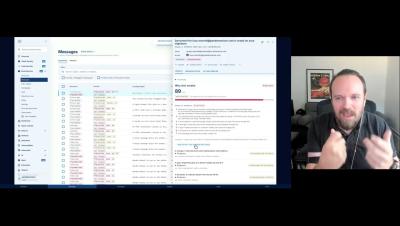
A firewall is essential, but it’s no longer enough. Today’s attackers slip past perimeter controls, hide in encrypted traffic, and move fast once they get inside. Network Detection and Response (NDR) delivers always-on network visibility, earlier threat detection, and faster response, enabling you to see and stop what firewalls miss.

Acronis Cyber Protect Cloud certified in AV-TEST Advanced Threat Protection for Windows

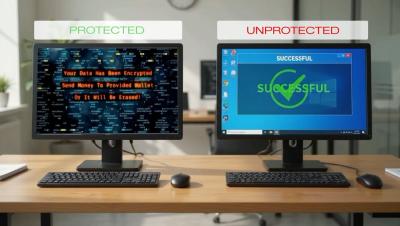
Modern cyberattacks rarely arrive in a simple, obvious form. Attackers hide malicious code inside files that look legitimate, chain multiple tactics together and use techniques designed to bypass traditional endpoint defenses. For businesses, that makes independent security testing especially valuable.

What Is Zero Trust AI Access (ZTAI)?

Zero Trust AI Access (ZTAI) is a security framework that applies “never trust, always verify” principles to every interaction involving AI systems, including LLMs and AI agents, as well as the sensitive data they process. Traditional zero trust was built to protect people accessing applications. ZTAI extends those same principles to a new category of actor: AI itself.

Surviving the Vulnpocalypse: How to Prepare for the AI-Driven Security Reckoning

The cybersecurity landscape is facing an unprecedented shift, and industry experts are sounding the alarm about what many are calling the “vulnpocalypse.” This isn’t just another security buzzword or overhyped threat. It represents a fundamental transformation in how vulnerabilities are discovered, exploited, and defended against in the age of artificial intelligence.

Best AI Security Vendors in 2026

Something fundamental changed in the last twelve months. Employees went from asking AI questions to handing it the keys to enterprise data. AI agents now read email, ship code, and query databases, and increasingly, they act without a human in the loop. Security teams evaluating AI security vendors in 2026 are not shopping for the same category they were in 2023. The threat model has changed. The vendors have not all kept pace.

Why Too Dangerous to Release AI is a Lie

Calling a model too dangerous to release ignores the obvious reality that open and alternative models will soon reach similar capability. Once the path is visible, other providers, including overseas competitors, will build their own versions, so secrecy becomes a temporary market move, not a lasting safety strategy.