Security | Threat Detection | Cyberattacks | DevSecOps | Compliance

One Click to Zero Trust: How Cato's Agentless Microsegmentation Blocks Lateral Movement and Simplifies Network Security

One click on a malicious email. One compromised device. That’s often all it takes for malware or ransomware to spread across an entire network in minutes. In other cases, attackers move silently for months before striking. Cato’s agentless microsegmentation stops lateral movement at its source, isolating each device and preventing threats from spreading before they cause real damage.

Security Risks and Safeguards When Using Rotating Residential Proxies

Now, online privacy and anonymity are something of a commodity for both the people and the companies. As the online activities of individuals have increased, be it business, research, or personal reasons, the need for secure and anonymous internet browsing has also skyrocketed. One of these is using rotating residential proxies. These proxies provide the ability to hide your online identity, bypass geographical restrictions and anonymous browsing.

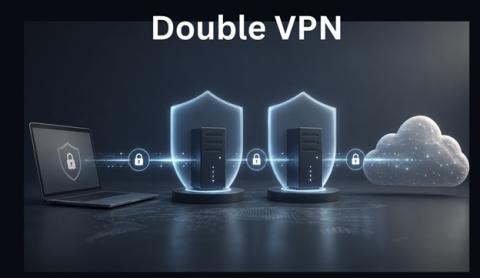
Using VPNs and Secure Tunnels to Protect Cloud Network Traffic

The fast rise of cloud adoption has reshaped enterprise IT, providing an unprecedented scale, flexibility and cost efficiency. But with this move comes a set of new security hurdles to maintain the control and guarantee the privacy of information that is exchanged across the network. The growing reliance on cloud by organizations for mission-critical applications and data has made the requirement of strong cloud network security a bit more urgent. Adding Security, enforcing policy and preventing data breaches have to start with protecting the flows of information between Users -> applications -> cloud services.

You Snooze You Lose: RPC-Racer Winning RPC Endpoints Against Services

The remote procedure call (RPC) protocol is one of the building blocks of Microsoft Windows and is widely used for inter-process communication between clients and servers. When RPC clients search for a server based only on a universally unique identifier (UUID) of an interface—without specifying an endpoint—they will go through the Endpoint Mapper (EPM). It will connect them to an endpoint that a server registered, exposing the interface the clients are looking for.

Where Fidelis NDR Fills the Gaps Left by Your Secure Web Gateway

Secure Web Gateways (SWGs) have become a cornerstone of enterprise security. They filter web traffic, enforce policies, and block known threats. But as attackers get smarter, many organizations are realizing one hard truth: a Secure Web Gateway alone is not enough.

Designing the Future of Agentic AI: Cato Engineering Details a New Practical, Secure, and Scalable MCP Server Framework

Some of you may remember the early days of security, when setting up a firewall or antivirus felt like enough. It was simple and gave us a sense of control. But over time, we learned that security is a moving target. What once felt sufficient quickly became just the starting point. In today’s agentic AI era, many treat their Model Context Protocol (MCP) setups the same way. If it’s running and returning results, it feels good enough. But the AI landscape is evolving rapidly.

Next-Gen Firebox Tabletop Series from WatchGuard Brings Flexible, Powerful, and Future-Ready Firewalls to MSPs

WatchGuard's new T Series Fireboxes provide intelligent firewall security, AI-powered threat detection, and eco-conscious hardware, giving managed service providers (MSPs) stronger threat protection with less complexity and waste.

Understanding DocumentDB's Network Security Trade-Offs: The VPC Challenge

AWS DocumentDB by default is securely isolated within a VPC, unreachable from the public internet, what could be more secure? This security architecture can create unexpected challenges and complexity. The root cause? The very VPC isolation designed to protect DocumentDB can introduce a complex web of networking requirements, operational considerations, and architectural decisions that require careful management to maintain security.

Security and Performance Issues, Handled: The Efficiency Power of Cato XOps

You’re an IT professional whose teams manage network and security. They face millions of alerts each day, from threat detections to access anomalies and from connection failures to latency spikes. Your costs are high: it’s been hard to scale your team to cope with the growing volume of events. But the stakes are also high. Miss the wrong operational alert and your network team gets swamped with tickets. Miss the wrong security alert and your whole business is exposed.