CISO Global Names Industry Veteran Gary Perkins as Chief Information Security Officer
Former Chief Information Security Officer of British Columbia Joins Global Firm.


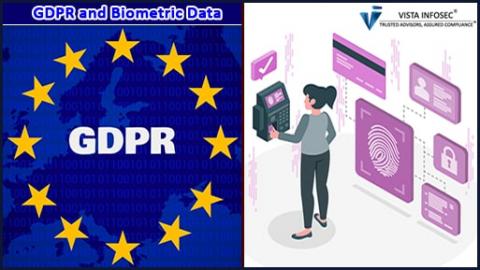
As technology advances and the use of biometric data becomes more prevalent, it is crucial to address the privacy concerns and regulatory compliance associated with this sensitive data. The General Data Protection Regulation (GDPR) plays a key role in safeguarding individuals’ privacy rights and ensuring the responsible handling of biometric data. Artificial Intelligence (AI) can also be utilized to ensure compliance and responsible handling of biometric data.
As the threat landscape evolves, so must the methods and tools to safeguard critical digital assets. Vulnerability management programs that were once considered the gold standard are starting to show limitations in their ability to address complex cyber risks.
Kroll’s findings for Q2 2023 reveal a notable shift toward increased supply chain risk, driven not only by the CLOP ransomware gang’s exploitation of the MOVEit transfer vulnerability, but by a rise in email compromise attacks. This and other key security trends are shaping a threat landscape in which diverse cyber threats are present.
Discover how GitGuardian's new Infra as Code Security capabilities empower cloud engineers and security professionals to detect, manage, and resolve IaC vulnerabilities precisely.
Cybersecurity is the pressing concern most organizations face when it comes to securing data, but not every hacker launches an attack from thousands of miles away; sometimes, the threat can walk right in through the front door to gain access to your IT system. Adversaries are not shy about using a more direct approach, which is why an organization should not overlook its physical security plan.
Today’s episode of Trust Issues focuses on spycatching! Eric O’Neill, a former FBI counterintelligence operative and current national security strategist, joins host David Puner to discuss his legendary undercover mission to capture Robert Hanssen, one of the most notorious and damaging spies in U.S. history.
Germany is widely acknowledged as one of the most technologically advanced nations. However, this prominence also implies a significant reliance on its critical infrastructures (KRITIS), which are essential to the smooth operation of the state and society. To safeguard these infrastructures, Germany has enacted new laws, IT Security Act 2.0 and KRITIS Regulation 2.0, that aim to improve the security of IT systems.
Unified endpoint management (UEM) has played a significant role over the years in enabling companies to improve the productivity and security of their corporate mobile devices and applications. In the early days of endpoint management there were separate workflows and products as it pertains to traditional endpoints, such as desktops and laptops, versus mobile devices.