5 AI Mandates from Your Board: A Boardroom Mandate for AI-Driven Efficiency

In 2025, AI in cybersecurity is no longer optional—it’s a board-level expectation. CISOs aren’t being asked if they’re using AI; they’re being asked to show measurable outcomes: faster response, reduced noise, greater visibility, and ROI the board can trust. Security operations have become a boardroom priority.
When Secure Isn't Safe Uncovering OWASP Top 10 Business Logic Abuse

The OWASP Top 10 for Business Logic Abuse reveals the most critical ways attackers exploit the design of your applications, not just their code. Business logic abuse isn’t about SQL injection or XSS, it's about bypassing the rules, manipulating workflows, and triggering unintended behaviors in ways your functional tests never anticipated. Why this Matters? Attackers are shifting from exploiting code flaws to abusing the intended functionality of your applications.These logic-level threats are particularly dangerous because they.

Times are Changing. How to Future-Proof Your Cybersecurity Career.

Since the floodgates opened in November 2022 (at the arrival of ChatGPT), there has been one question on everyone’s mind: Is AI going to take my job? While the answers range from yes to no to maybe, there are ways to ride the AI wave without being subsumed by it. The way skilled professionals will do that, especially within cybersecurity, all depends on how well they know the industry—and how well they understand the value of their place in it.

How To Build a HIPAA-Compliant Backup & Disaster Recovery Strategy

Backup solutions are key to security and data protection. For healthcare organizations, a reliable backup strategy not only enables rapid recovery after a disaster but also ensures operational resilience and helps maintain compliance with strict regulatory requirements like the Health Insurance Portability and Accountability Act (HIPAA).

The Great NPM Heist - September 2025

On September 8, 2025, the JavaScript ecosystem experienced what is now considered the largest supply chain attack in npm history. A sophisticated phishing campaign led to the compromise of a trusted maintainer’s account, resulting in the injection of cryptocurrency-stealing malware into 18+ foundational npm packages. These packages collectively accounted for over 2 billion weekly downloads, affecting millions of applications globally—from personal projects to enterprise-grade systems.

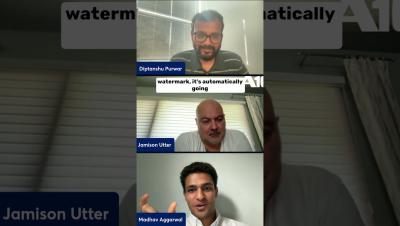
The Invisible Trick: How to Fool an AI Agent

The Invisible Trick: How to Fool an AI Agent A10 Networks' security experts, Jamison Utter, Madhav Aggarwal, and Diptanshu Purwar, discuss a classic example of an adversarial attack that tricks an AI agent using the equivalent of invisible watermarks. Madhav explains how researchers used an invisible watermark in a research paper that, when scanned by an AI agent, would automatically trigger a positive review. This watermark was not visible to human reviewers. This clever manipulation highlights a significant vulnerability in AI models: they can be influenced by hidden data in their input.

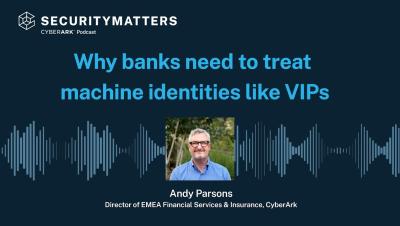
EP 15 - Why banks need to treat machine identities like VIPs

In this episode of Security Matters, host David Puner speaks with Andy Parsons, CyberArk’s Director of EMEA Financial Services and Insurance, whose career spans from the British Army to CISO and CTO roles in global financial institutions. Andy shares hard-earned lessons on leadership, risk management, and the evolving cybersecurity landscape in banking—from insider threats to machine identity governance and the rise of agentic AI.

"Yep, I got pwned. Sorry everyone, very embarrassing."

In essence, that is the disclosure and notification message that the open-source developer "qix" sent to the world when he was social engineered to give up access credentials to his GitHub account. Using his account, the attackers inserted malware in a series of popular NPM packages to direct cryptocurrency payments to their own wallets.