BDC Interview: INETCO Uncorks Digital Payment Bottlenecks During Pandemic

When COVID-19 caused a surge in online and mobile transactions, INETCO needed to quickly identify bottlenecks that were preventing its clients’ customers from accessing their bank accounts and making payments. Bijan Sanii, President, CEO and Co-founder, says INETCO looked at all real-time transactions to identify where every transaction was “getting stuck,” ensuring the stability of customers’ payment transactions across channels, such as mobile, online, ATMs and retail.
How We Built SELinux Support for Kubernetes in Gravity 7.0

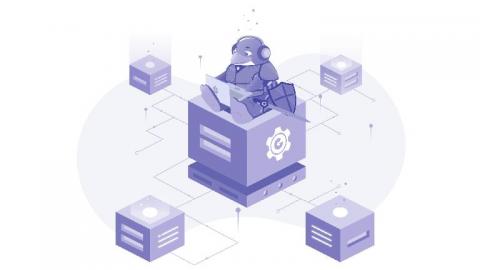
As one of the engineers on the Gravity team here at Gravitational, I was tasked with adding SELinux support to Gravity 7.0, released back in March. The result of this work is a base Kubernetes cluster policy that confines the services (both Gravity-specific and Kubernetes) and user workloads. In this post, I will explain how I built it, which issues I ran into, and some useful tips I’d like to share. Specifically, we will look at the use of attributes for the common aspects of the policy.

Microservices Authorization: Styra DAS Moves up the Stack

We’ve had an exciting past six months at Styra, from a Series A funding announcement to tremendous growth in the Open Policy Agent (OPA) community to new enhancements to our commercial product, Styra’s Declarative Authorization Service (DAS). All of this great momentum maps to our overarching vision of unifying authorization and policy for the cloud-native environment.

Spam In the Browser

A new kind of spam is being observed in the field that uses the browser notification feature to trick users into subscribing to sites that will in turn bombard users with notifications usually related to click or add profit schemes. Subscription notification request seen below: Browser notification subscription requests are a legitimate feature that allows visitors of a site to be notified when there is new content available. It saves users the need to constantly refresh or keep open browser tabs.

The MITRE ATT&CK Framework: Collection

The Collection tactic outlines techniques an attacker will undertake in order to find and gather the data they need to meet their actions on objectives. I see most of these techniques as being useful for describing what a piece of malware or threat actor is up to rather than looking to them for guidance on how to mitigate and detect their actions.

Vendor Risk Management Checklist

Vendor risk management (VRM) is a broad category that encompasses all measures that your organization can take to prevent data breaches and ensure business continuity. Legal issues, past performance, and creditworthiness are some of the common VRM issues that all companies review frequently. Additionally, cybersecurity and the reduction of third-party security risks are increasingly important.