Once an attacker has established access and pivoted around to the point of gathering the necessary data, they will work on exfiltration of that data. Not all malware will reach this stage. Ransomware, for example, usually has no interest in exfiltrating data. As with the Collection tactic, there’s little guidance on how to mitigate an attacker exfiltrating data from the enterprise.
It’s a weird time to be alive. Millions of people globally are living under government lockdowns, as we collectively endure the COVID-19 pandemic. COVID-19 has brought to light some fundamental truths about humanity, including our deep-seated need for social interactions. It has also highlighted how reliant we are on critical infrastructure like our healthcare systems and internet connections, both of which are currently strained.
A brute force attack is a popular cracking method that involves guessing usernames and passwords to gain unauthorized access to a system or sensitive data. While a relatively simple, brute force methods continue to have a high success rate and account for over 80% of attacks on web applications.
Over the last few weeks, most organisations have had to transition to enable their employees to work remotely. The key focus has been on business continuity during this trying time. Unfortunately, business continuity isn’t so easy. Keeping the day-to-day operations of the business running has been one of the hardest IT challenges that most organisations have faced in the last decade. It’s one for which many organisations might not have had a plan in place.
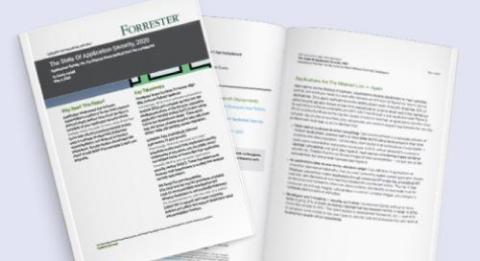
In The State of Application Security, 2020, Forrester predicts application vulnerabilities will continue to be the most common external attack method. Because of this, organizations are urged to continue testing early in the software development life cycle (SDLC), implementing auto-remediation for security vulnerabilities, and shoring up production protections.