Hiding in plain sight: HTTP request smuggling

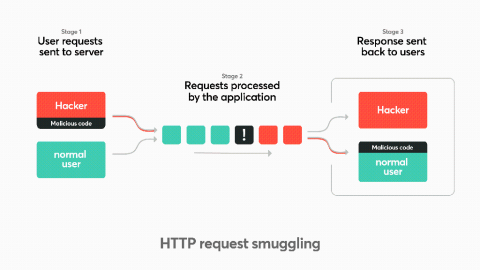
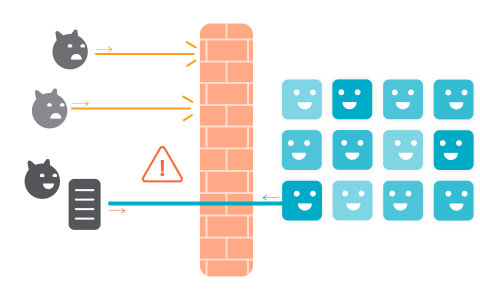
HTTP request smuggling is increasingly exploited by hackers in the wild and in bug bounty programs. This post will explain the HTTP request smuggling attack with remediation tips. HTTP request smuggling is an attack technique that abuses how two HTTP devices send requests between each other (typically a front-end proxy or a HTTP-enabled firewall and a backend server) or chaining multiple servers together with different configurations.

Detect reverse shell with Falco and Sysdig Secure

Reverse shell is a way that attackers gain access to a victim’s system. In this article, you’ll learn how this attack works and how you can detect it using Falco, a CNCF project, as well as Sysdig Secure. Sometimes, an application vulnerability can be exploited in a way that allows an attacker to establish a reverse shell connection, which grants them interactive access to the system.

Veracode Corporate Video

Veracode is a SaaS-based application security (AppSec) company founded in 2006 by a group of skilled computer hackers. The hackers, including Chris Wysopal, realized that software was very vulnerable to cyberattacks. Over the years, Veracode has established industry-leading technology that helps developers and security professionals find and fix vulnerabilities in their software. Together with Veracode, customers can confidently secure their code.

Veracode Full Solution

Veracode helps software companies write secure code on time. Veracode is a SaaS-based, or cloud-based, application security (AppSec) solution. It empowers developers to write secure code with real-time feedback in the software development lifecycle (SDLC) and provides security professionals with the tools and analytics to scale their programs and report on key metrics. Veracode’s solution comprises multiple scan types including static analysis (SAST), dynamic analysis (DAST), software composition analysis (SCA), interactive analysis (IAST), and penetration testing.

The MITRE ATT&CK Framework: Exfiltration

Once an attacker has established access and pivoted around to the point of gathering the necessary data, they will work on exfiltration of that data. Not all malware will reach this stage. Ransomware, for example, usually has no interest in exfiltrating data. As with the Collection tactic, there’s little guidance on how to mitigate an attacker exfiltrating data from the enterprise.

How malware mimics the spread of COVID-19

It’s a weird time to be alive. Millions of people globally are living under government lockdowns, as we collectively endure the COVID-19 pandemic. COVID-19 has brought to light some fundamental truths about humanity, including our deep-seated need for social interactions. It has also highlighted how reliant we are on critical infrastructure like our healthcare systems and internet connections, both of which are currently strained.