4 Questions to Ask About Building a Security Operations Center

Building an in-house security operations center represents a significant commitment, both financially and strategically, to securing your enterprise. According to the 2021 Devo SOC Performance ReportTM — which is based on the results of a survey of more than 1,000 security practitioners — 73% of respondents said their SOC was “very important” or “essential” to their organization’s overall cybersecurity strategy.

File Integrity Monitoring for PCI DSS Compliance

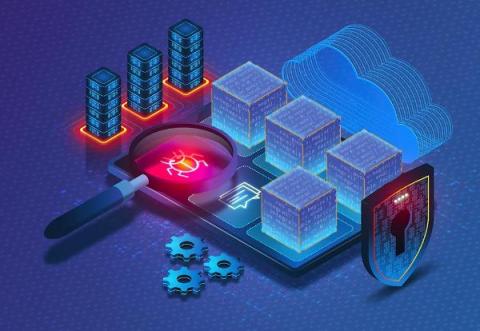
File integrity monitoring (FIM) is essential for securing data and meeting compliance regulations. In particular, the Payment Card Industry Data Security Standard (PCI DSS) requires organizations to use FIM to help secure their business systems against card data theft by detecting changes to critical system files. This article explains these PCI DSS requirements and how to achieve compliance using FIM.

Best SAST Tools: Top 7 Solutions Compared

Static application security testing (SAST) tools automatically scan the source code of an application. The goal is to identify vulnerabilities before deployment. SAST tools perform white-box testing, which involves analyzing the code based on inside knowledge of the application. SAST offers granularity in detecting vulnerabilities, providing an assessment down to the line of code.

CrowdStrike and Cloudflare Expand Zero Trust from Devices and Identities to Applications

Threat actors continue to exploit users, devices and applications, especially as more of them exist outside of the traditional corporate perimeter. With employees consistently working remotely, adversaries are taking advantage of distributed workforces and the poor visibility and control that legacy security tools provide.

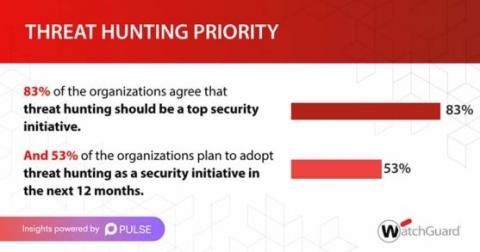
How are IT leaders approaching threat hunting?

Implementing robust defense strategies helps to mitigate the risk of cyberthreats in the early stages of an attack. Threat hunting, as part of this strategy, enables organizations to find those unknown threats that manage to bypass technology-based controls by detecting abnormal behaviors. With a number of challenges associated with executing a defense approach, how are IT leaders approaching this problem? Pulse and WatchGuard surveyed 100 IT leaders to find out.

As tax deadlines approach, Emotet malware disguises itself in an IRS email

With just a few weeks until the April 15 deadline for US individuals and businesses to file their tax returns, scammers are as busy as ever. Security researchers at Cofsense have warned that they have seen a number of malicious email campaigns which pose as communications from the Internal Revenue Service (IRS). The emails which purport to come from “IRS.gov”, claim to contain tax forms (such as a W-9) that need to be filled out by the recipient.

10 tips for keeping your Docker containers safe from Log4Shell

Today we’re pleased to announce an update to our popular Docker and Snyk vulnerability cheat sheet. Since 2020, millions of MacOS and Windows developers have been able to use docker scan to analyze their containers in their local environments as part of their day-to-day development. This capability gives teams feedback at the time of active development for faster cycles.

Defining the market dynamics of personal data ft. Joe Toscano | Insights Podcast

In this episode of ManageEngine Insights podcast, we'll explore the privacy implications personal data collection, as well as the economic influences on the past, present, and future of this practice. This episode is a conversation that features Joe Toscano, a user experience designer, with an interest in data rights, data protection, privacy in tech, and ethical innovation of AI. Joe is the CEO and co-founder of BEACON, a public speaker, the author of "Automating Humanity," and was featured as an interviewee in "The Social Dilemma."

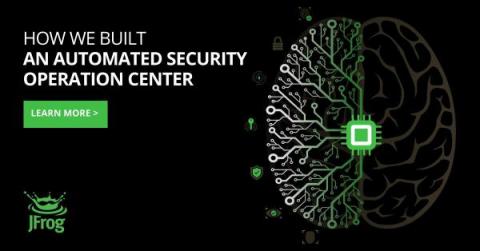
Part II: A Journey Into the World of An Automated Security Operation Center (SOC)

Security operation teams continuously aim to focus on two main things: 1. Real cyber security threats (also known as “True Positive Alerts”), and 2. Reducing response time, especially when you have so many different sources to monitor. However, in reality, we deal with hundreds of security alerts on a daily basis, many of which are false positives that waste our valuable time. This is where incident response/security automation becomes a requirement rather than nice to have.