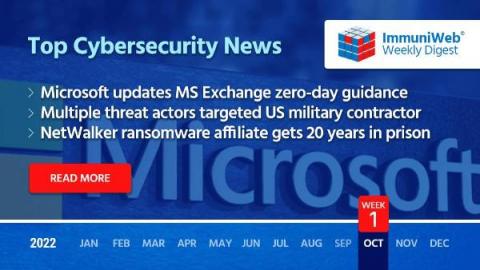
Microsoft Updates Mitigations For Unpatched Microsoft Exchange Zero-Days
Read also: Comm100 chat provider hacked in a supply chain attack, a teen used leaked Optus data in a data extortion scam, and more.

Read also: Comm100 chat provider hacked in a supply chain attack, a teen used leaked Optus data in a data extortion scam, and more.
In the cloud, securing identities and workloads is both paramount and complex. Inventories of AWS customer security breaches help us learn from publicly disclosed incidents—but until now, not much concrete data has been shared around the usage of security mechanisms that could have helped prevent these incidents. For this report, we examined real-world data from a sample of more than 600 organizations and thousands of AWS accounts that use the Datadog Cloud Security Platform.
There is an exploitation method that can automatically forward emails CC’d to external addresses via an Outlook Desktop rule, even when this action is prevented on the corporate Exchange server. This can be a serious data exfiltration risk allowing post-exploitation persistence in a previously breached account. The legitimate email account owner is highly likely to be unaware of the creation of this rule.
When it comes to building secure cloud-native applications, the baseline is choosing a secure container image. Docker defines a container as “a standard unit of software that packages up code and all its dependencies, so the application runs quickly and reliably from one computing environment to another.” The problem is, they’re often a pain point for many developers.
Organizations face a growing threat from cybercriminals while struggling to find qualified security professionals who can protect their infrastructure and sensitive data. This blog will explore the concept of a Security Operations Center (SOC) and the role of SOC analysts in securing your organization. We will also discuss how your organization can leverage automation to improve SOC effectiveness and fill in the gaps when you cannot support a full staff of security professionals.
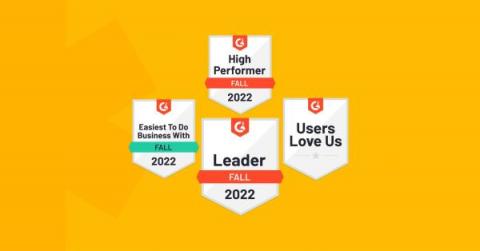
Detectify ranks as a Leader in Website Security, a category for tools designed to protect business websites from Internet-based threats. This recognition is awarded after factoring in social, web, employee, and review data that G2 has deemed influential in Detectify’s momentum. Besides ranking #1 on the Website Security podium, Detectify holds the first position in Alerting.