SURGe 60 Second Charity Challenge: Network Surveillance
In this 60 second charity challenge benefitting RED by the ONE Campaign, Mick and Ryan shared their takes on network surveillance and national security concerns.

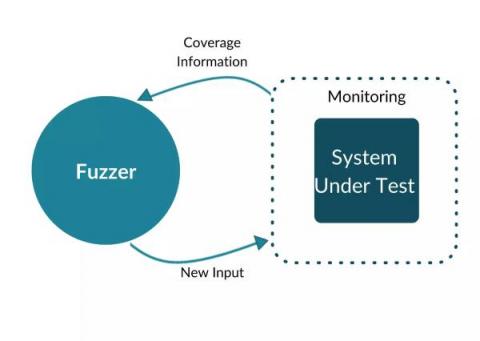
Today, I want to show you a way how to increase the integrity and functionality of your Java applications, with fuzz testing. This awesome testing approach has done me great service for building more secure Java applications, and it's basically as simple as unit testing. In this article, I will share how you can apply fuzz testing to your own code. And the best part: all code examples and tools I will use are 100% open-source.
As threats have continued to evolve, enterprises have made significant investments in security infrastructure and security operations is maturing. C-Suites and Boards are increasingly involved in security decision making and studies show that they are doubling down on security investments, which are expected to grow from $262.4 billion in 2021 to $458.9 billion in 2025.
Cloud data storage has many practical advantages over traditional data centers, but making a move also comes with many unique security considerations. When moving to AWS, begin how you wish to continue. Companies that transition to cloud data storage must update their approach to information security to protect their data. Setting up proper security practices during migration will help future teams securely and efficiently deliver applications and features.
Zero trust is a security approach which replaces the traditional network edge. Since network resources can be anywhere – on-premises, in the cloud, or a hybrid of both – zero trust is built towards an identity-centric approach. This places people and resources at the heart of the security architecture.
Many people remember where they were during historic events. Whether it is a personal, or a public occurrence, it’s just human nature to remember these significant moments. Every profession also has its share of memorable events. In medicine, those who were in the profession will remember where they were when they heard about the first heart transplant or the discovery of a cure for a particular disease. In cybersecurity, there are similar events that stick in the mind.
The rise of cloud, containers, and microservices has shifted the way software developers work for good. Whereas traditionally, software developers would release a new version of an application every few months, today’s platforms allow teams to work faster and more streamlined. These advancements have led to the rise of “software, safer, sooner” — also known as DevSecOps.
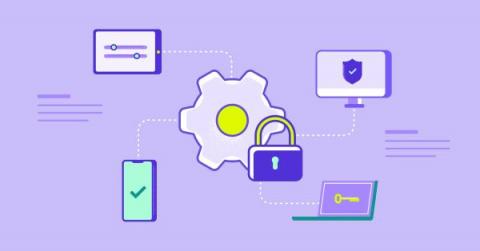
To build a strong security and compliance foundation, organizations need to be able to view, manage, and secure devices, such as laptops and desktops. If you’re new to security and compliance, you may be wondering how to tackle this problem—especially at scale. With effective mobile device management (MDM) software, your company can manage and secure employee devices used to access company systems and applications.