Are You Prepared for the Windows 10 Retirement?
The time is now to start accelerating the shift to Windows 11.

The time is now to start accelerating the shift to Windows 11.
The content of this post is solely the responsibility of the author. AT&T does not adopt or endorse any of the views, positions, or information provided by the author in this article. Data continues to be a valuable asset for an organization and plays a crucial role in making operational and strategic business decisions. With the growth of hybrid, private, and multi-cloud models, much of the data is stored on these platforms and becomes vulnerable to malicious activities and potential data leaks.
In order to enable and sustain an effective and secure hybrid work environment, enterprises need security that can deliver protection anywhere, stop modern threats, ensure compliance, and maintain consistent policies across both on-premise and remote locations.
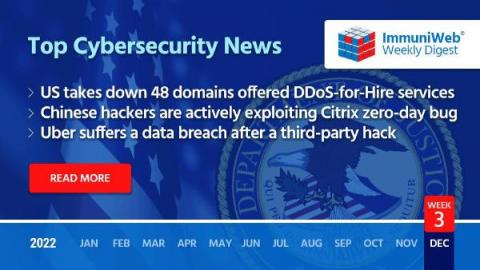
Read also: Microsoft fixes a Windows zero-day, security researchers detail a way to bypass popular web application firewalls, and more.
Banks still struggle to properly integrate clients even though the majority of financial institutions (FIs) have explicit digital-first initiatives to automate & optimise their backend operations. The majority of corporate clients need an easy-to-use onboarding process with little human involvement and foolproof verification, but due to strict compliance requirements and a high demand for customization, this is a challenging challenge.
Compliance is a fundamental baseline for many organizations but doesn’t guarantee security. While there is some overlap, today’s security leaders must recognize the need to go beyond what compliance frameworks call for to achieve an extra layer of protection and peace of mind against potentially devastating breaches. Compliance may set the foundation, but it should never be viewed as providing total protection or proof of a robust security posture.