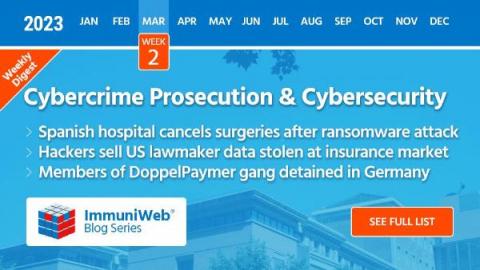
The Hospital Clinic de Barcelona Forced to Cancel Hundreds of Surgeries and 3,000 Patient Checkups Due to a Ransomware Attack
Read also: Indian crypto exchange BitBNS hid a $7.5M breach, hackers are selling US lawmaker data, and more.

Read also: Indian crypto exchange BitBNS hid a $7.5M breach, hackers are selling US lawmaker data, and more.
When it comes to releasing software, many organizations take software signing lightly. But they don’t know that not signing a software or not using a Code Signing Certificate can have an adverse impact on the organization. A non-signed application is not only a risk for end-users, but also for the software publisher. And when you sign a software, it offers multiple benefits that positively impact the organizational goals. To understand it more thoroughly, let’s move further.
The US Transportation and Security Administration (TSA) has issued new requirements for airport and aircraft operators who, they say, are facing a "persistent cybersecurity threat." The agency's new directive compels the aviation industry to improve their defences against malicious hackers and cybercriminals, just days after Preisdent Biden announced its National Cybersecurity Strategy that seeks tighter regulations to protect the United States's critical infrastructure.
Netskope Threat Labs is tracking a 17x increase in traffic to malicious web pages hosted on DigitalOcean in the last six months. This increase is attributed to new campaigns of a known tech support scam that mimics Windows Defender and tries to deceive users into believing that their computer is infected.
True to its theme ‘Cyber Resilience’, our recent cyber security gathering was able to dissect the fast-moving threat landscape with insights and information nuggets from a panel of security experts and practitioners on the shortcomings and the need for better use of threat intelligence. Here are five takeaways from the Cyber Resilience Day in Breda co-hosted with our customer CM.com and a panel of cybersecurity experts.
At a high level, the SOC's core mission remains to help the enterprise manage cyber risk, but what has changed is the sophistication of cyber threats and the mechanics of the SOC to operate. To successfully protect and respond to threats, SOCs need deep visibility into organization activity and automate key but repetitive functions while freeing analysts to focus on more valuable functions such as threat hunting and vulnerability management.