Vulnerability Remediation Takes More Than Just an AI Agent

AI agents can investigate a single vulnerability brilliantly, but that is only about 20% of vulnerability remediation. This post breaks down the other 80%: the data normalization, cross-tool asset identity, SLA enforcement, exception governance, and audit evidence that turn individual agent outputs into a governed, provable remediation program, and why AI and a platform like Seemplicity work better together than apart.


Attackers Use Spoofed ChatGPT Site to Deliver Malware

Researchers at Malwarebytes warn that a fake ChatGPT download site is delivering malware. The attackers use sponsored results and SEO manipulation to target users who search for “ChatGPT download.” The phishing page is a convincingly spoofed version of the legitimate ChatGPT website, which delivers malware tailored to Windows or Mac users.

SIEM on Cloud: Modernizing Threat Detection for 2026

Your team already knows the pattern. The on-prem SIEM is still running, but it's become a bottleneck instead of a force multiplier. Cloud logs arrive late or in partial form. SaaS activity sits in separate consoles. Endpoint and identity events don't line up cleanly. Analysts burn time pivoting across tools, then still end up asking whether the alert is real. That's why the conversation around SIEM on cloud has changed. It's no longer about chasing a newer deployment model.

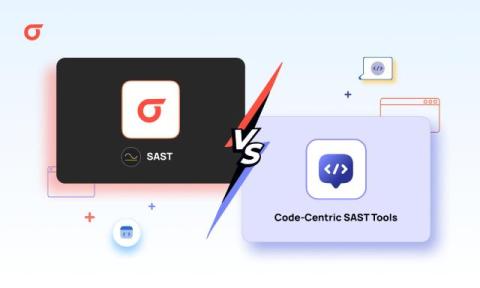
Appknox vs Code-Centric SAST Tools: What Source Code Analysis Cannot See in a Mobile App

Your source code passed every scan. Every code review approved. Every linter ran clean. Your users just downloaded the compiled binary. Those are not the same artifact. Code-centric SAST tools analyze the code you write. Appknox analyzes what you ship. This is not a feature distinction. It is an architectural one, with direct consequences for what gets caught and what does not.

We Gave OpenClaw Red Team Tools (It Found Domain Admin)

Our Red Team handed OpenClaw a penetration testing toolkit and pointed it at one of our own legacy Active Directory networks. 23 findings across 11 attack paths... But the findings aren't the interesting part. What's interesting is how it got there. Work that takes our human team three days took the agent three hours. Mid assessment it hit a wall, reasoned about its own limitations and proposed spinning up an EC2 GPU instance to crack a password hash. Nobody told it to.

The 2026 DBIR says the quiet part loud: fundamentals still win

Every year, the Verizon Data Breach Investigations Report (DBIR) is one of the most hotly-anticipated and widely-read documents in security. And every year includes some surprising stats and reshuffles the top few threat vectors. But longtime readers will notice that the 2026 DBIR features some advice that ought to be familiar to everyone by now: get the basics right.

Why Audit Readiness Accelerates Revenue

At 3am, you wake up in a cold sweat from a nightmare. The dream? You showed up to test for your most difficult class without having studied. Unprepared, your dream self sat in an uncomfortable desk, staring at a piece of paper and panicking. In the corporate world, an audit can induce the same sense of anxiety and distress.

Aikido x Docker: less noise, more signal in your containers

TL;DR: Aikido now supports Docker Hardened Images. A scan that used to return hundreds of CVEs collapses to the handful that actually apply, because Docker's VEX attestations filter out everything they've verified as non-exploitable. Zero additional setup. Container security has a noise problem You scan a container image and get back a list of 50, 100, sometimes hundreds of CVEs. You open a few. Some look scary. Most are irrelevant. Some have already been patched by the image maintainer.

How to Detect and Prevent AI Insider Threats

The rapid adoption of generative AI has transformed enterprise productivity, but it’s also quietly introduced a new, sophisticated vulnerability: the AI insider threat. For years, securing the internal perimeter meant watching for data exfiltration via USB sticks or unauthorized emails. Today, the risk looks entirely different.