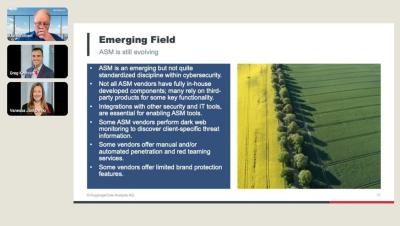
Unlock the Power of Attack Surface Management with Insights from a KuppingerCole Analyst

Join Vanessa Jankowski, SVP of Third Party Risk Management, and Greg Keshian, SVP of Security Performance Management, as they explore key findings from the 2023 KuppingerCole Leadership Compass Report for Attack Surface Management with John Tolbert, Director of Cybersecurity at KuppingerCole Analysts. In today's interconnected digital landscape, managing your exposure strategy for your infrastructure and your supply chain is paramount. They discuss strategies to fortify cybersecurity defenses and minimize risks.
EP 43 - Breaking Things in the Name of Cyber Resilience

Guest Dr. Magda Chelly, Managing Director and CISO of Responsible Cyber, joins Trust Issues host David Puner for a conversation about third-party risk management and cyber resilience. Dr. Chelly underscores the imperative of prioritizing identity management, particularly as decentralized work environments are becoming the norm in today’s evolving digital landscape.

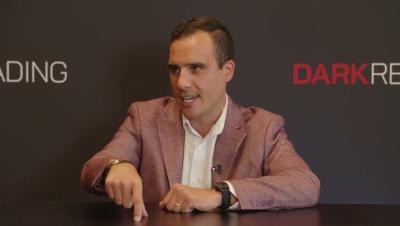
The Security Performance Management Evolution: Interview with Bitsight's Greg Kesen & Dark Reading

In this Dark Reading News Desk segment, Bitsight's Gregory Keshian discusses external attack surface management and security performance management. Greg reviews how the emerging discipline of security performance management (SPM) can better secure a company's attack surface. He offers guidance for how to mitigate problems and enumerates the major catalysts affecting attack surfaces, and how governance frameworks can be incorporated to ensure organizational compliance with state and federal laws.

Types of Password Attacks

Some of the most common types of password attacks include password cracking, password spraying, dictionary attacks, credential stuffing, brute force and rainbow table attacks. The better your password habits are, the less susceptible you are to password attacks. Keeper’s Password Management Report found that only 25% of respondents use strong, unique passwords for every account – meaning that 75% of respondents place their accounts at risk of being compromised due to weak passwords.

The Howler - Episode 5: Nick Schneider, President & CEO at Arctic Wolf

In this episode, our hosts sit down with Nick Schneider, President & CEO at Arctic Wolf. As President and CEO of Arctic Wolf, Nick Schneider brings more than 15 years of experience in building global, high-growth technology companies spanning both emerging and established markets. As a veteran in the security industry, Nick has developed expertise in creating best-of-breed technology platforms and world-class sales organizations, which have been the driving force behind Arctic Wolf’s explosive growth and leadership position in the security operations market.

Outstanding ROI of Security Awareness Training

As an InfoSec professional, one of your important responsibilities is to minimize expensive downtime and prevent data breaches. Skyrocketing ransomware infections can shut down your network and exfiltrate data. Phishing is responsible for two‑thirds of ransomware infections. You know this and need help articulating the value of KnowBe4 to your CFO and leadership. This guide showcases real ROI experienced by KnowBe4 customers to help you present a strong business case for the investment.

Top tips: Cyberattacks to prepare for in 2024

Top tips is a weekly column where we highlight what’s trending in the tech world today and list ways to explore these trends. This week, we’ll look at three types of cyberattacks that are predicted to be prevalent in 2024. If there’s one thing we can be certain of, it’s that we will never ever be safe from cyberthreats. That is why we need to prepare ourselves for the onslaught of cybercrime that is about to hit us this new year.

CRQ Journey Part 3: Communicable, Calibrated, Granular Results

My journey to finding Kovrr had been packed with headaches and puzzles that many CISOs still face today. Within a few short years of being the CISO at Avid, a content-creation software provider, I managed to implement tighter security controls and develop a framework that enabled objective progress measurement. ‍ However, I constantly faced an impasse when attempting to communicate these achievements with the board.