Emerging IoT Wiper Malware: Kaden and New LOLFME Botnet Variants

Wipers are malware that delete data on a device or make it inaccessible. They can be used for sabotage, to destroy evidence of an attack or simply to make a device unusable. IoT wipers often rewrite important parts of the firmware of an IoT device, rendering that device useless, so they are also known as “brickers”. Recent notorious examples of IoT wipers are AcidRain which was used by a Russian APT to brick satellite modems in Europe at the outset of the Russian invasion of Ukraine in 2022.


Change Healthcare Ransomware Attack May Cost Nearly $2.5 Billion

The ransomware attack against UnitedHealth Group’s Change Healthcare platform is expected to cost the company up to $2.45 billion, more than a billion dollars more than was previously estimated, Cybersecurity Dive reports. The incident has already cost the firm nearly $2 billion.

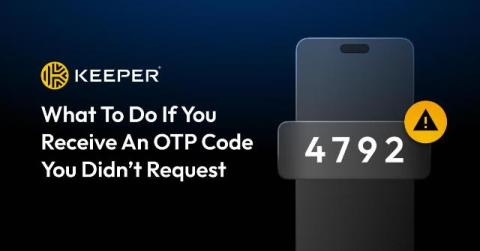
What To Do if You Receive an OTP Code You Didn't Request

Receiving a One-Time Password (OTP) code that you didn’t request over text or email could be a sign that someone is trying to log in to one of your online accounts to gain access to your private information. An OTP code is a numeric code used as an additional form of verification to authenticate users before they can log in to their accounts. As the name suggests, this code can only be used once.

10 Security Risks of Poor Access Management and How to Mitigate Them

Secure access management is more than just strong password policies and multi-factor authentication (MFA) – it includes a variety of processes and tools that create an integrated and comprehensive approach to safeguarding digital assets. To manage access effectively, organizations must implement strategies like continuous monitoring, adaptive access controls, and automated workflows for user provisioning and deprovisioning.

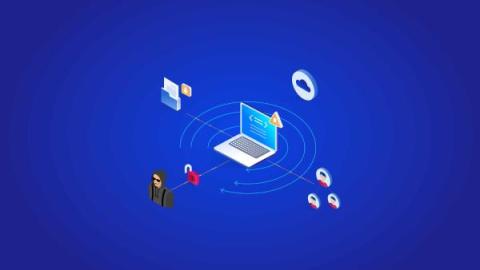
What Is AWS AppFabric?

Cloud environments have revolutionized how organizations operate, providing scalable, efficient, and cost-effective resources. However, this shift to the cloud introduces new challenges, particularly in managing and securing many Software-as-a-Service (SaaS) applications that businesses rely on. AWS AppFabric exists to address these challenges by providing a solution for integrating, managing, and securing various applications.

A Practical Guide for Implementing and Managing Remote Access Solutions

Not long ago, remote access was reserved for a select few, such as traveling salespeople and senior executives. Today, it has become ubiquitous. Indeed, users across many roles and functions in the modern office now routinely connect to the corporate network from off-site locations and work with resources as if they were connected to the local network. However, allowing users to access corporate resources remotely introduces security risks, so robust management is vital.