Diversity Can Be a Powerful Tool in Combating Increasing Cybersecurity Threats

The issue of diversity in the cybersecurity sector has been present since the early days of IT companies. The public perception of a cybersecurity professional carries with it a specific image of the kind of person who works in IT and cybersecurity, and many minority groups—including women, people of color and ethnic minorities, and disabled and neurodivergent people—are heavily underrepresented in the workforce.
Sysdig and Cribl: Unleash the true power of cloud security data

Cloud security operates on a different paradigm compared to traditional IT security. For example, it involves multiple contextual layers such as cloud services, containers and Kubernetes that require specialized insights. The challenge is even harder when the organization is affected by compliance requirements, and is compounded by the sheer volume of data that becomes a major concern for any organization. Failing to effectively manage it leads to costly inefficiencies and risks.

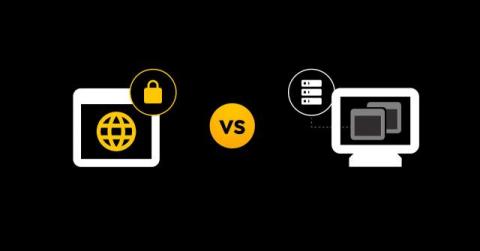
RBI vs VDI: What's the Difference?

The main difference between Remote Browser Isolation (RBI) and Virtual Desktop Infrastructure (VDI) is that RBI is limited to providing remote access only to your web browser, while VDI focuses on providing remote access to an entire virtual desktop. Both RBI and VDI protect you from cyber threats by creating separate, secure environments where you can browse the internet and use your device.

From Hidden to Exposed: Advanced Graylog Alerts for Malicious Activity

Think you've implemented every security measure possible? Think again. While you may have addressed many common attack vectors from both threat actors and Red Team engagements, there's always more to uncover. This session is designed to push your defenses to the next level by diving deep into the often-overlooked tactics that can significantly enhance your security posture.

Understanding Cryptographic Mechanisms

Cryptographic mechanisms protect the integrity of audit tools by ensuring that the data they collect is trustworthy. Most systems constantly run audit tools in the background, system activity such as user logins, file changes and network activity is monitored and recorded. These records are vital to system administrators for compliance, forensic analysis and security monitoring. Using cryptographic mechanisms is vital to the integrity of this data.

Why Your Organization Shouldn't Delay Getting a Password Manager

Your organization shouldn’t delay getting a password manager because using a password manager provides visibility into employee password habits, strengthens secure password practices, protects employees from spoofed websites and minimizes the risk of data breaches. A password manager is a solution that helps your employees store, manage and share their login credentials, passkeys, important documents and more.

Access AWS RDS Databases in EKS Using Teleport Machine ID Without Passwords

At Teleport we love modern infrastructure and open-source software, but don't like static credentials and passwords. This created a challenge for us when deploying Temporal, an open-source workflow automation software on EKS: Temporal always requires a password to authenticate to the backend RDS database. To solve this problem, we turned to Teleport Machine & Workload Identity.

How XDR Can Enable Enterprise-Wide Security

Now a days cyber-crimes are at their peak; therefore, businesses need more than just the usual tools to keep their systems safe. XDR, which stands for Extended Detection and Response, has become a strong answer to this problem. It offers company-wide protection by bringing together ways to spot and deal with threats across computers, networks, and cloud services in one complete system.

The Hidden Dangers of Legacy PAM: Why Your Security Solution May Actually Be a Risk

As a former federal CISO who has spent decades designing and securing enterprise infrastructure, I’ve grown increasingly concerned as organizations continue to rely on legacy Privileged Access Management (PAM) solutions designed for a different era. These systems, once the gold standard in security, have become dangerous liabilities in today’s modern cloud-native world.