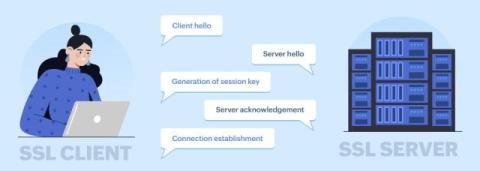
What is a Secure Socket Layer (SSL)? How does it ensure safe connection?

Imagine all your online activity being put out in the open—as private as a billboard in Times Square. Before SSL, your private internet information was vulnerable to exposure. However, with the advent of SSL, encryption became part of how the data was transferred between web browsers and servers, ensuring privacy and security. SSL transforms regular HTTP into the more secure HTTPS, safeguarding your online activities.

Sweet Security Introduces Evolutionary Leap in Cloud Detection and Response, Releasing First Unified Detection & Response Platform

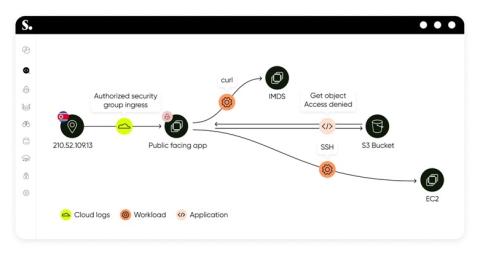
Sweet Security Introduces Evolutionary Leap in Cloud Detection and Response, Releasing First Unified Detection & Response Platform. With Sweet, customers can now unify detection and response for applications, workloads, and cloud infrastructure.

Cyber-Safe Shopping: Protect Yourself from Holiday Scams and Cyber Threats

The holiday shopping season is here, and while it brings excitement and joy, it also opens opportunities for cybercriminals to exploit unsuspecting shoppers. With more people buying gifts online and taking advantage of holiday deals, the risk of falling victim to cyberattacks increases. Whether you're shopping from your desktop, mobile device, or in-store, it's essential to be aware of common threats and take steps to protect yourself.

5 steps of the security questionnaire process to automate today

As organizations sell to more discerning buyers, scrutiny on security and compliance practices grows. It’s certainly warranted—the frequency of third-party breaches is on the rise. In our State of Trust Report, almost half of all organizations surveyed say that a vendor of theirs experienced a data breach since they started working together. ‍

DevSecOps Tools for Cybersecurity Success

With DevSecOps, cybersecurity has become integrated into every phase of the software development lifecycle (SDLC). DevSecOps tools work across development, security, and operations siloes and enable these teams to work collaboratively, ensuring security vulnerabilities are addressed early and efficiently, reducing risks before they reach production.

Security Threats Facing LLM Applications and 5 Ways to Mitigate Them

Large Language Models (LLMs) are AI systems trained on vast textual data to understand and generate human-like text. These models, such as OpenAI’s Chat GPT-4 and Anthropic Claude, leverage their wide-ranging language input to perform various tasks, making them versatile tools in the tech world. By processing extensive datasets, LLMs can predict subsequent word sequences in text, enabling them to craft coherent and contextually relevant responses.

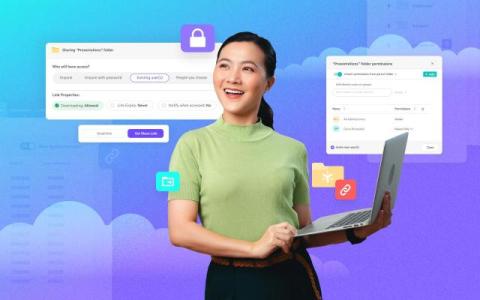
Revamping Egnyte's Sharing & Permissions: A User-Centric Journey

Great product design not only boosts engagement but also improves user efficiency and productivity. At Egnyte, we understand this deeply and focus on bridging the gap between business requirements and agile feature development, ensuring a seamless user experience. The faster users grasp product features, the sooner they see a return on investment. To achieve this, we aim for intuitive and simple product design.

Diversity Can Be a Powerful Tool in Combating Increasing Cybersecurity Threats

The issue of diversity in the cybersecurity sector has been present since the early days of IT companies. The public perception of a cybersecurity professional carries with it a specific image of the kind of person who works in IT and cybersecurity, and many minority groups—including women, people of color and ethnic minorities, and disabled and neurodivergent people—are heavily underrepresented in the workforce.

Sysdig and Cribl: Unleash the true power of cloud security data

Cloud security operates on a different paradigm compared to traditional IT security. For example, it involves multiple contextual layers such as cloud services, containers and Kubernetes that require specialized insights. The challenge is even harder when the organization is affected by compliance requirements, and is compounded by the sheer volume of data that becomes a major concern for any organization. Failing to effectively manage it leads to costly inefficiencies and risks.

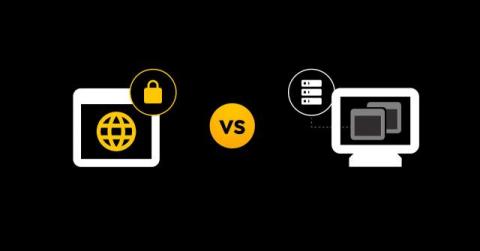
RBI vs VDI: What's the Difference?

The main difference between Remote Browser Isolation (RBI) and Virtual Desktop Infrastructure (VDI) is that RBI is limited to providing remote access only to your web browser, while VDI focuses on providing remote access to an entire virtual desktop. Both RBI and VDI protect you from cyber threats by creating separate, secure environments where you can browse the internet and use your device.