Challenges for Australian Manufacturers: Insights from the 2025 Trustwave Risk Radar Report

The Trustwave SpiderLabs research 2025 Trustwave Risk Radar Report: Manufacturing Sector takes a global view of the cybersecurity issues facing this vertical, but it’s also important to examine how and if different regions are specifically impacted.


Medusa Ransomware: FBI and CISA Urge Organizations to Act Now to Mitigate Threat

The Medusa ransomware gang continues to present a major threat to the critical infrastructure sector, according to a newly-released joint advisory from the FBI, Cybersecurity and Infrastructure Security Agency (CISA) and the Multi-State Information Sharing and Analysis Center (MS-ISAC).

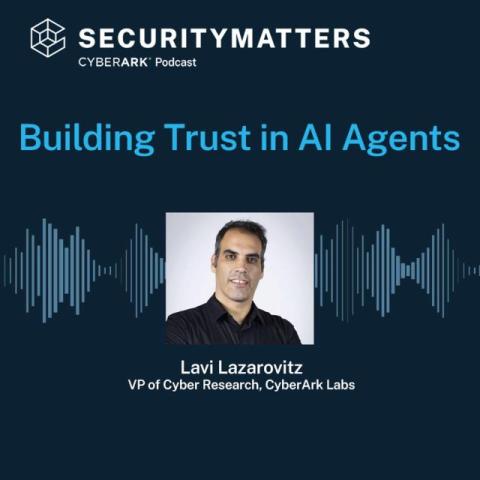
EP 3 - Building Trust in AI Agents

In this episode of the Security Matters podcast, host David Puner is joined by Lavi Lazarovitz, Vice President of Cyber Research at CyberArk Labs, to explore the transformative impact of AI agents on cybersecurity and automation. They discuss real-world scenarios where AI agents monitor security logs, flag anomalies, and automate responses, highlighting both the opportunities and risks associated with these advanced technologies.

How Ditching RSA Made Teleport 77% More CPU-Efficient

In Teleport 17 we made the switch from RSA to ECDSA and Ed25519, and it paid off with improved security and significant performance benefits. This was a major undertaking; Teleport has used 2048-bit RSA keys for just about everything since our initial release. Switching to new key types and signature algorithms came with serious compatibility concerns given the broad range of environments Teleport is deployed in and the number of third party tools that use or trust Teleport-issued certificates.

Remote Work Security Threats and How to Stop Them

It’s safe to say that remote work is here to stay, and hybrid arrangements seem to be getting a boost in 2025. While flexible work models are highly desirable for employees, they create new cybersecurity challenges for businesses. Remote work has quickly become the norm, causing businesses to rethink security protocols. Implementing security measures outside of a centralized office requires a robust strategy—so how can you effectively mitigate risk while still ensuring operational efficiency?