AI Security = API Security: 10x Surge in AI-Related CVEs #AIExploits #APIAttacks #SecureAI

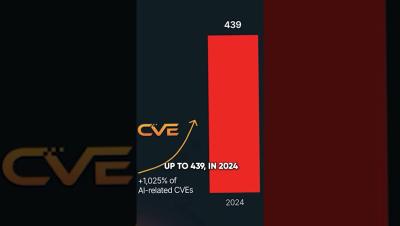
AI-driven applications rely on APIs, making them a prime target for attackers. In 2024, AI-related CVEs increased 10x, with 98.6% of vulnerabilities linked to APIs. As AI agents interact with systems via APIs, security risks grow. Learn why securing AI means securing APIs.

NHS Matures Healthcare Cybersecurity with NCSC's CAF Assurance Model

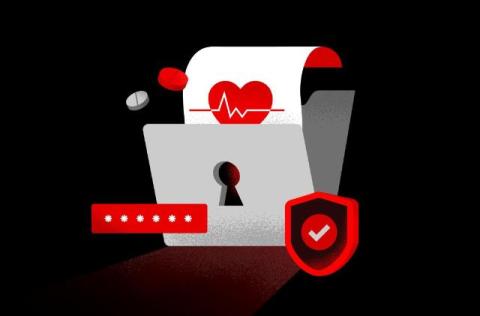
The UK’s National Health Service (NHS) has transformed its approach to validating its level of cybersecurity maturity across healthcare by adopting the National Cyber Security Centre (NCSC) Cyber Assessment Framework (CAF). This shift is key to achieving the NHS’s broader goals: protecting patient data, ensuring uninterrupted healthcare delivery, and building the foundation for a fully digitized healthcare system by 2030.

What is Electron Software Framework? How Electron Works? Pros, Cons and Use Cases

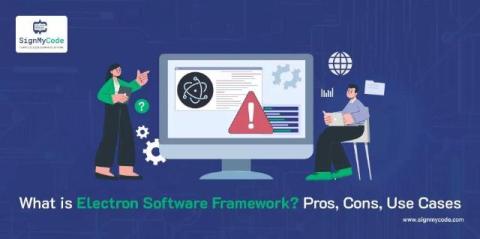
Electron is a development platform developed by GitHub, and its primary purpose is to allow for the creation of cross-platform GUI applications based on Node. Js, HTML, CSS, and JavaScript. It was released in October 2013 for a gamma version; earlier, it was known as Atom Shell, which was a part of GitHub’s Atom text editor project. It has since become popular among developers and has been employed to develop numerous desktop applications based in industries.


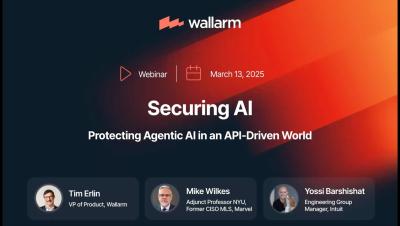
Secure Your AI: Protecting Agentic AI in an API-Driven World

As enterprises embrace agentic AI for transformative business opportunities, they face a critical challenge: ensuring these intelligent systems operate securely. Wallarm, the leader in API-first security, invites you to an exclusive webinar to explore how to safeguard AI agents, APIs, and sensitive data from emerging threats. Learn how to protect your AI ecosystem and ensure business continuity with actionable insights from Wallarm Security Lab. Discover why 90% of agentic AI deployments are vulnerable and how to defend them.

Build Smarter Threat Detection with Next-Gen SIEM

SOC teams across businesses, industries, and geographies share the same goal: Stop cyberattacks before damage is done. But for those with legacy SIEMs, this is nearly impossible to achieve. Legacy SIEMs demand an overwhelming investment of time, resources, and expertise to set up and maintain.

When It Comes To Website Takedowns, Speed Is Everything (well nearly ;))

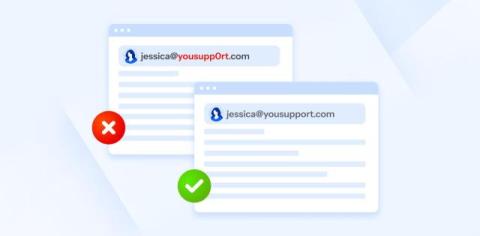
Lookalike domains – meaning domains where threat actors host content designed to impersonate your business or brand – can be gravely harmful. “Look-alikes prey on users’ inattention to verifying legitimate websites, and sometimes rely on human mistakes, such as entering a typo in a URL, to capture victims,” as Dark Reading notes. The good news, however, is that lookalike domains can take some time to roll out fully.

How PCI DSS Compliance in Australia protects businesses from Data Breaches?

Did you know that there are approximately 12.52 million credit card users in Australia, along with 43.77 million actively issued debit cards? These figures reflect PCI DSS compliance in Australia’s heavy reliance on digital payments and card-based transactions for everyday purchases and online commerce. However, with this widespread adoption comes an equally significant risk which is the growing threat of data breaches and payment fraud.