Decoding Threat Intelligence: A Glossary

Threat intelligence is a vast and evolving field that encompasses a wide range of concepts, methodologies, and terminologies. Whether you are a cybersecurity professional, an analyst, or someone looking to enhance your understanding of the domain, being familiar with key terms is essential. However, the sheer number of acronyms and technical jargon used in threat intelligence can often be overwhelming and difficult to keep up with.
Strengthening Healthcare Security: Navigating HIPAA's Latest Cybersecurity Requirements

The Department of Health and Human Services (HHS) will be implementing sweeping and crucial updates to the Health Insurance Portability and Accountability Act (HIPAA) Security Rule to enhance the protection of electronic protected health information (ePHI). These changes aim to address modern cybersecurity threats and ensure resilience in healthcare data management. In this blog, we will explore the key updates and their implications for healthcare providers and their business associates.

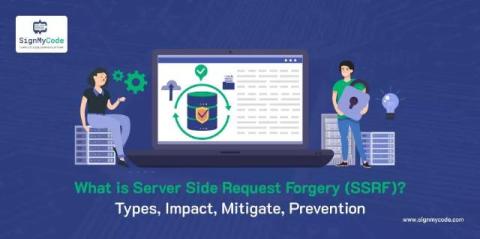
What is Server Side Request Forgery (SSRF)? Types, Impact, Mitigation, Prevention

In the past few years, the risk of cyberattacks has grown enormously. In fact, more than 800,000 people experience data security breaches every year, which is quite concerning. Looking at these numbers, the safekeeping of web applications has become vital. Now, one significant threat to any web application is server-side request forgery or SSRF. This cyberattack helps the hacker trick the server to reveal sensitive information or access internal systems.

CISO: Chief Cybersecurity Warrior Leader

A Cybersecurity Warrior Leader is a term that combines the concepts of leadership and expertise in the field of cybersecurity with the mindset and traits of a warrior. These individuals function as CISOs and vCISOs in project and operational roles leading programs, initiatives, teams, and organizations in defending against cyber threats, while exhibiting key qualities associated with warriors, such as strategic thinking, resilience, and a strong sense of duty.

G2 Recognizes Nightfall as Data Loss Prevention (DLP) Leader for Spring 2025

Nightfall has been named a leader in Data Loss Prevention (DLP), Sensitive Data Discovery, Data Security, and Cloud Data Security in G2’s Spring ‘25 reports. We’d like to extend a huge thank you to all of Nightfall’s customers and supporters for making this possible - and an even bigger thank you goes to the Nightfall team’s tireless dedication to building solutions that protect our customers’ sensitive data across the sprawling enterprise attack surface.

Bypassing Tenant Isolation in Microsoft Power Platform: A Security Loophole You Should Know

Microsoft Power Platform, specifically Power Automate and Copilot Studio, makes it easy for organizations to quickly build automations and AI agents. To keep them secure and compliant, Tenant Isolation is a critical feature designed to prevent unauthorized cross-tenant communication. However, in our latest research, we discovered a high-severity vulnerability that bypasses Tenant Isolation policies using the HTTP Connector - potentially exposing sensitive data and enabling unauthorized actions.

Australia's Crackdown on Customer Fraud Losses: A Wake-Up Call for APAC

Let’s be honest – the burden of payment fraud has for years fallen squarely on the shoulders of scammed customers – A.K.A., victims. Reimbursement has largely been tactical; an opt-in gesture of goodwill administered on a case-by-case basis to customers who either make enough noise, or hold accounts banks can’t afford to lose. If you’re familiar with the UK’s APP fraud reimbursement mandate, you’ll know that things are changing in a big way.

Hide and Fail: Obfuscated Malware, Empty Payloads, and npm Shenanigans

‍ On March 14th 2025, we detected a malicious package on npm called node-facebook-messenger-api. At first, it seemed to be pretty run-of-the-mill malware, though we couldn’t tell what the end-goal was. We didn’t think much more of it until April 3rd 2025, when we see the same threat actor expand their attack.

Why SASE Makes Zero Trust Work

Gartner predicted that by early this year, over 60% of organizations would be using zero trust as their starting point for security. And no wonder. Cloud migration, hybrid work, and persistent threats have turned security into a minefield, exposing the cracks in old castle and moat, perimeter-based security architectures. Zero Trust aligns with how and where we work today, shifting the perimeter to individual users, devices, and applications—wherever they are.

Unmasking EncryptHub: Help from ChatGPT & OPSEC blunders

This is the second part of Outpost24’s KrakenLabs investigation into EncryptHub, an up-and-coming cybercriminal who has been gaining popularity in recent months and is heavily expanding and evolving operations at the time of writing. We’ve already published one article explaining EncryptHub’s campaigns and TPPs, infrastructure, infection methods, and targets.