What is MXDR? A Modern Approach to Cyber Threat Detection and Response

While organizations deploy various security technologies, modern cyberattacks are often intricate, involving kill chains composed of numerous low-fidelity signals. A key challenge is correlating these alerts across siloed security solutions to gain a complete, enterprise-wide view of the threat.
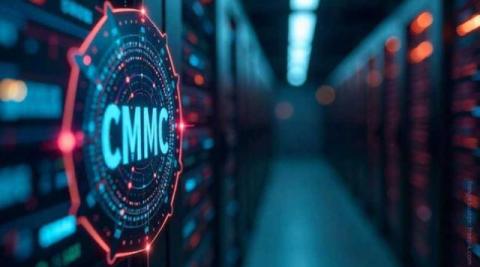
CMMC readiness: How AI-powered platforms accelerate DoD compliance

Defense contractors and organizations involved in Department of Defense (DoD) projects are facing growing pressure to comply with stringent cybersecurity standards. The Cybersecurity Maturity Model Certification (CMMC) represents a transformative initiative aimed at enhancing the security posture across the defense industrial base. As organizations embark on this compliance journey, AI-powered platforms are emerging as critical enablers to accelerate CMMC readiness.

Four Ways to Prevent Credential Theft and Credential-Based Attacks

When it comes to cybercrime, there are few threat actor tactics as useful and widespread as credential theft, and the subsequent use of stolen credentials, to maliciously gain access to an IT environment. As hybrid work models and the widespread use of web-based applications further the digitalization of corporate environments, user credentials have proliferated. In turn, credential theft has risen as a low-tech way for threat actors to gain easy access to target environments.

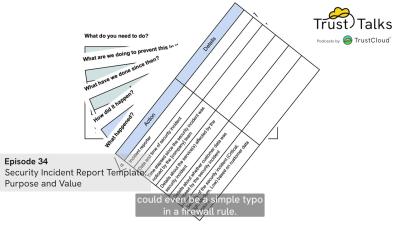
Security Incident Report Template | TrustTalks - Ep 34 | Security and GRC Podcast

This podcast focuses on a downloadable security incident report template, explaining its importance, use, and value in maintaining organizational security. A security incident report is a document that outlines the details of any security incident that occurs within an organization. This report serves as an official record of the incident and is used for documentation, analysis, and future prevention.

How to Enhance the Workflow: Tips for Using Jira with Azure DevOps

Consider a typical scenario. Your development department scales along with the company. Your needs grow, so teams plan to adopt specialized tools for different purposes. The decision is to use Jira for product and issue tracking. Elements like version control, pipelines, and deployments will be managed in Azure DevOps (ADO). Each platform excels in its domain, but running them in isolation is a different story.

Vulnerability Data in Next Gen-SIEM with Falcon Exposure Management

Vulnerability data is often siloed and captured in static dashboards, disconnected from real-time investigation. But with Falcon Exposure Management streaming into NG-SIEM, that changes. This demo shows how teams can correlate live vulnerability events with endpoint behavior, network activity, and even cloud telemetry. Using a Firefox example, we trace active and historical exposure, revealing how ExPRT.AI, asset metadata, and cloud-aware context come together in Next Gen SIEM.

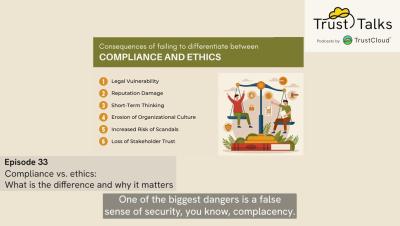
Compliance vs ethics | TrustTalks - Ep 33 | Security and GRC Podcast

This podcast focuses on the crucial difference between compliance (adhering to laws and regulations) and ethics (upholding moral principles) in business. It highlights the risks of prioritising one over the other, advocating for a balanced approach to foster a strong ethical culture. Several case studies illustrate the consequences of neglecting either compliance or ethics. It also offers strategies for integrating both into business practices to enhance reputation, reduce risk, and improve decision-making.

Play Ransomware Is Back: FBI Warning for Growing Enterprise Risk

In June 2025, the FBI, CISA, and the Australian Cyber Security Centre (ACSC) issued a joint cybersecurity advisory warning of a significant resurgence in Play ransomware attacks. This rare alert flagged over 900 confirmed victims across the public sector, healthcare, and SMBs – many of whom were targeted through deceptive email addresses like @web.de and @gmx.de.

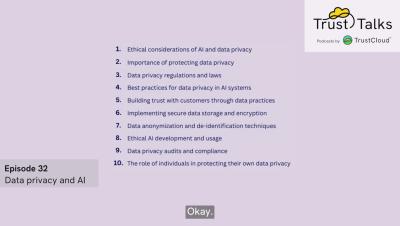
Data privacy and AI | TrustTalks - Ep 32 | Security and GRC Podcast

This podcast focuses on the ethical implications of AI’s data usage, emphasizing the importance of transparency, informed consent, and robust security measures. It discusses the ethical considerations and best practices for data privacy in the age of artificial intelligence (AI). It is a platform offering resources and tools for governance, risk, and compliance (GRC) and support for various compliance standards like GDPR, HIPAA, and ISO 27001, utilizing AI to streamline audit processes.