Security | Threat Detection | Cyberattacks | DevSecOps | Compliance




Oakland declares a state of emergency over ransomware attack
The city government of Oakland has declared a state of emergency after it was hit by a ransomware attack. The attack, which began in the evening of February 8th, has forced the city to take all its IT systems offline, and has affected many non-emergency services, including the ability to collect payments, issue permits, and process reports.
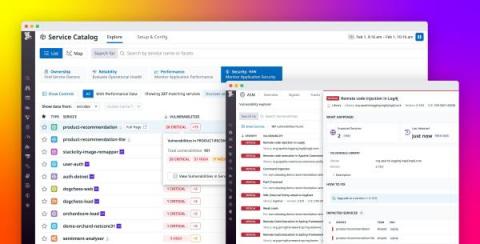
Gain visibility into open source vulnerabilities with Datadog Application Risk Management
Open source libraries have become an indispensable part of modern applications. Approximately 90% of organizations use open source software to support their services, but monitoring these dependencies can be difficult when environments run thousands of ephemeral services. The complex nature of modern applications, in combination with the challenge of keeping a competitive edge in a fast-moving market, can make it difficult for organizations to identify and remediate threats in a timely manner.
How to Measure Cyber Risks in Healthcare
Cyber risks are prevalent in all healthcare institutions, and understanding how to mitigate those risks is especially important in today’s cyber landscape. Cyber risk is the sum of all IT risks that can potentially lead to the loss or exposure of critical data, financial damages, reputational damages, and operational stoppages due to a data breach or data leak. Measuring cyber risks involves determining the likelihood and impact of each cyber threat.

Info-Stealers Are on the Rise: A Look into Stealerium
Info-stealers are malicious software designed to extract sensitive information, such as passwords, from victim systems. Info-stealers have become one of the most discussed malware types in cybercriminal underground forums. Let’s see how info-stealers have evolved recently to become the threat that they are. Then, we’ll look at a specific stealer freely available as open-source that could be used in future attacks.

January Cyber Roundup

Cybersecurity Risk Management: 5 Steps for Assessing Risk
SecurityScorecard releases list of Killnet open proxy IP addresses
In the wake of Killnet’s latest DDoS attack on U.S. hospitals on January 30, SecurityScorecard has made its KillNet open proxy IP blocklist available to the public. This list is the product of the SecurityScorecard Threat Research, Intelligence, Knowledge, and Engagement (STRIKE) Team’s ongoingresearchintoKillNet. We released this list to help organizations better defend themselves against KillNet and other groupslike it by preventing traffic from exploitable assets.

Ask A Ciso Series: Part 3 - How should CISOs prepare themselves for 2023 challenges?

Killnet: A new group exploiting an old problem
How geopolitics and hacktivism is causing trouble for the healthcare industry