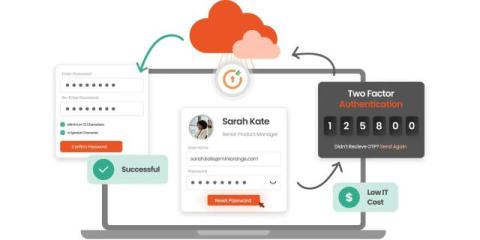
Enterprise IAM is a framework of policies, processes, and technologies that enables organizations to manage and secure digital identities and control access to their resources.
There is a pressing need to protect an organisation’s digital assets against cyber attacks and it has never been more critical. The increasing complexity and dynamic nature of IT environments mean that traditional security measures often fall short. This has led to the emergence of new defensive approaches, such as attack surface management (ASM) that proactively safeguard against cyber threats.
September 12, 2024 Jerry Dawkins, PhD In the world of cybersecurity, the recent incident involving Snowflake has sparked a significant discussion around the shared responsibility between vendors and customers. The attacks, which targeted over 100 Snowflake customers, have highlighted vulnerabilities that arise not from the platform itself, but from how customers manage their security environments.
However, as cyber threats become increasingly elaborate, traditional measures to secure systems are usually inadequate. So how does one bolster an organization’s security? Today, 70% of organizations are fighting a broad set of threats ranging from sophisticated malware to advanced persistent threats. The necessity of real time threat detection and response mechanisms has never been greater. XDR, NDR, and EDR serve as strong detectors against this adversary. Let’s see why they are important.
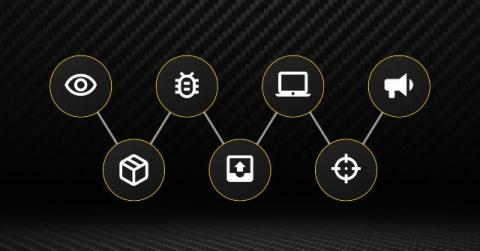
Phishing remains the favored and most successful method of obtaining an initial foothold in a targeted organization. So it should come as no surprise that threat actors have developed turnkey solutions that enable even low-skilled hackers to conduct successful email attacks.
Application security is the combination of tools, practices, and policies that are used to protect the application layer of software from threat actors. Once something of an afterthought, application security is now widely and rightfully recognized as a vital part of the software development life cycle (SDLC). As the complexity of technology increases, considering application security early and often in the SDLC is imperative to keeping data and resources from falling into the wrong hands.
A password generator is an online tool that automatically creates strong, random passwords at the click of a button. To create unique passwords, a password generator combines a variety of uppercase and lowercase letters, numbers and symbols. Password generators dramatically ease the process of creating strong passwords by automatically producing random, lengthy ones – two qualities that make passwords more challenging for cybercriminals to crack.
We recognize that federal agencies face a wide range of cyber threats in today’s hybrid and cloud work environment, which requires securing multiple endpoints. From nation-states to organized crime groups, adversaries are looking to steal data at the highest levels of government, and the stakes have never been higher. Protecting sensitive information, ensuring national security and safeguarding public trust all hinge on effective cybersecurity strategies.
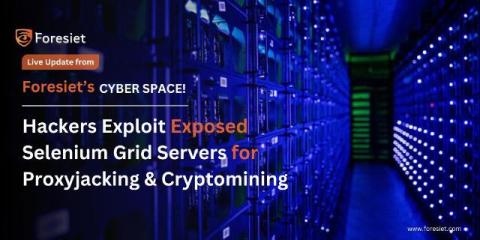
Hackers are increasingly targeting exposed Selenium Grid servers, hijacking them for cryptomining and proxyjacking activities. Selenium, an open-source browser automation tool widely used for web application testing, has become a valuable target for cybercriminals. As these servers often lack proper security measures, threat actors are seizing the opportunity to leverage them for their own gain.