Security | Threat Detection | Cyberattacks | DevSecOps | Compliance

Digital Transformation in Manufacturing: Complete Implementation Guide

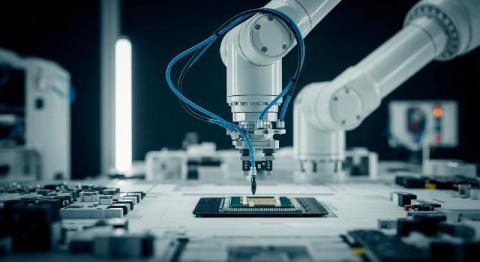
The integration of software, data, and machines is the key driving factor of digital transformation in the manufacturing industry. By leveraging technology such as: Manufacturers can improve productivity, reduce costs, and enhance decision-making. Scalable by design, these systems also support long-term growth and innovation.

Why Custom ERP Solutions are the Backbone of Modern Operations

If you feel like your operations are constantly fighting against your software, you're not alone. Your teams navigate rigid systems, invent inefficient manual workarounds, and waste hours trying to reconcile data scattered across disconnected platforms. This constant friction isn't just frustrating; it's a significant barrier to growth and competitiveness in a market that demands agility.

Top 5 Cybersecurity Risks in ERP Systems and How to Prevent Them

Modern businesses are built on Enterprise Resource Planning (ERP) systems. From finance to supply chain, they run everything in one place. Many of them can even connect to cloud systems, mobile apps, and IoT devices. But where they are most powerful, they are also most vulnerable. Cybercriminals know that ERP systems are treasure troves of data. So if an attack happens, it can lead to significant data theft. Not only that, it can also delay payroll, damage production lines, and stop operations.

Cloud ERP and Cybersecurity: A Winning Tag Team for Data Resilience

Businesses today operate in a climate where data is both their greatest asset and their greatest vulnerability. From customer records to financial information, every digital file carries weight. That's why the need for strong cybersecurity strategies has never been more pressing. At the same time, companies are also leaning on systems that improve efficiency and adaptability. One of the solutions that bridges both needs is cloud-based ERP.

Strengthening Cybersecurity: Key Benefits of Integrated ERP Systems

A business is like a piece of machinery. It consists of many different parts and each has to work optimally for smooth operation. Even a small hitch in the cycle can quickly lead to complete failure. Your business too operates on various processes. From supply line management to payroll distribution every activity has to be monitored for efficiency. The data collected from all these also needs to be analyzed for informed decision-making. So how do you manage it all while still immersed in your day-to-day activities? An integrated ERP system could be the solution.