Security | Threat Detection | Cyberattacks | DevSecOps | Compliance

Cybersecurity Compliance: Essential for Protecting Your Business Data

Cybersecurity compliance is not only a regulatory requirement but also a core business protection strategy. Businesses are under increasing pressure to prioritize data security as sophisticated cyber threats and increasingly stringent laws become more common. Following laws, standards, and best practices for cybersecurity compliance is important to keep private data safe from breaches and unauthorized access.

The Real Reasons You Need a Personal Injury Attorney After a Major Accident

A major accident can change your life in seconds. One moment everything feels normal, and the next you are dealing with pain, stress, and growing bills. Medical treatment, missed work, and calls from insurance companies can quickly become overwhelming. Many people try to handle these problems alone, thinking it will save time or money.

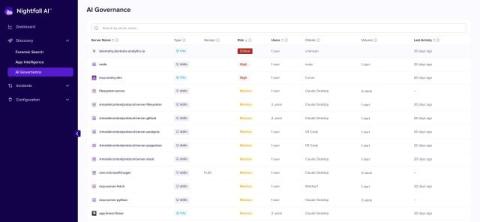
AI Usage Monitoring: Gaining Full Visibility Into GenAI Activity

Generative AI tools have entered the workplace through every possible channel. Employees use them to draft emails, summarize documents, and write code. This organic adoption creates a visibility gap for security and IT leaders. They must protect corporate data without blocking innovation. With these challenges in mind, this article explains how organizations can track GenAI use. To move from identifying risks to enabling secure adoption, it highlights practical steps to protect data while enabling productivity.

Economic and Technological Factors Behind Dedicated and Virtual Server Costs

In recent years, businesses, developers, and digital service providers have increasingly noticed a steady rise in the cost of renting dedicated and virtual servers. While at first glance such changes may appear to be simple pricing adjustments by hosting companies, a deeper analysis reveals a complex interaction of global supply chains, semiconductor manufacturing constraints, rising demand for computing resources, and the increasing cost of key hardware components such as memory modules, processors, and high-performance storage devices.

CryptoProcessing by CoinsPaid pilots crypto payments for physical retail stores

Cryptocurrency payments are increasingly expanding beyond online platforms and entering traditional retail environments. New payment technologies are making it easier for brick-and-mortar stores to accept digital currencies while maintaining the reliability and security expected in modern payment systems.

Best Data Masking Tools to Know in 2026

Most companies now realize that their data is their greatest asset. Yet it can also become their greatest liability. In 2026, sensitive data rarely sits in one secure database. It moves across cloud platforms, testing environments, analytics stacks, DevOps pipelines, and AI apps. Every handoff increases exposure risk.

Stablecoin Development Companies in 2026

Listen, I've been in this space long enough to watch stablecoins go from "that weird pegged token thing" to "the actual backbone of crypto payments." 2026 is wild - regulators finally figured out what stablecoins are (only took them a decade), banks are building with them, and suddenly everyone wants one.

5 Ways Managed Security Services Protect Small and Mid-Sized Businesses

Cybersecurity has become a major concern for organizations of every size. However, small and mid-sized businesses often face a unique challenge: they must protect their systems and data without the large internal security teams that many enterprises rely on. At the same time, cybercriminals increasingly target smaller organizations because they may have fewer resources dedicated to cybersecurity.

How high availability and app-console failover in DDI Central help streamline consistent network service

A network’s stability and reliability are defined by its ability to provide consistent services to clients, 24/7. But what happens when service availability is disrupted? Such interruptions can lead to network downtime and delayed responses for clients. Many modern networks face these challenges, making it the organization’s responsibility to build infrastructure that ensures continuous service availability.