Security | Threat Detection | Cyberattacks | DevSecOps | Compliance

From Neural Networks to Threat Networks: How AI Development is Reinventing Security Intelligence

In the digital age, the landscape of cybersecurity is evolving faster than ever. Threat actors are becoming increasingly sophisticated, while traditional security measures struggle to keep pace. Enter Artificial Intelligence (AI)-an innovation that is transforming security intelligence by converting neural networks, traditionally used for pattern recognition, into threat networks capable of predicting, detecting, and mitigating cyberattacks in real time.

How MSSPs can automate their way to full-spectrum security

The end of October is here, which means it is time to ask: What have you, as a managed service provider (MSP), learned from Cybersecurity Awareness Month? The most critical lesson remains that human behaviour is the single greatest risk and the single greatest opportunity for defence. While no amount of training can eliminate every mistake (which is why we need automation), a security-aware technician acts as the final, critical filter that can spot novel social engineering attacks and enable fast incident response, but only if the back end is hyper-automated, so technicians know about these potential attacks immediately.

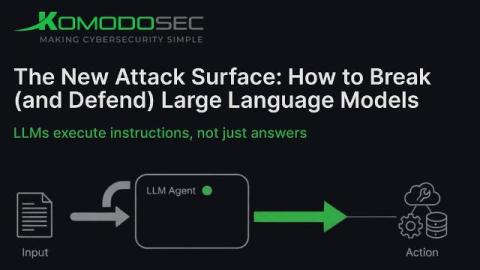
The New Attack Surface: How to Break (and Defend) Large Language Models

Large Language Models now automate customer support, write code, classify emails, generate content, and - disturbingly - execute tasks through plugins and agents. Once an AI can act on your behalf, it becomes part of your operational infrastructure, not a toy. OWASP’s Top-10 for LLM Applications formalized the threat landscape, and quietly confirmed what security researchers have been yelling for two years.

70% of IT and security pros say SSO is falling short - Here's how to close the gap

When IT and security teams lack visibility and control over the SaaS apps employees use, the result is wasted spend, unsanctioned access, and compliance failures. Yet 1Password’s research shows that all too often, SaaS usage is evading the tools meant to govern it.

Why Mid-Market Organizations Can't Afford to Ignore Open Source Vulnerabilities

There are millions of dollars on the line for companies relying on open source. Failure to stay CVE-free can lead to churn, closed-lost deals, and countless engineering hours wasted chasing fixes instead of shipping features. Unlike enterprises with large budgets and compliance buffers, a single failed review, missed SLA, or unresolved CVE can derail $5M–$20M in just one quarter. This is the difference between hitting growth targets or missing them entirely.

What is KeeperAI?

KeeperAITM is an agentic, AI-powered engine embedded within KeeperPAM that delivers real-time threat detection and response, as well as privileged session analysis. Built for Privileged Access Management (PAM), KeeperAI monitors user activity, providing behavioral insights and automated incident response in both live SSH sessions and post-session playback.

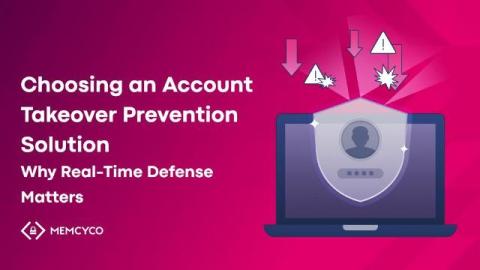
10 Things to Look for When Choosing an Account Takeover Solution

Account takeover (ATO) fraud has become one of the fastest-growing threats for enterprises. No longer confined to banks, ATO now targets retailers, SaaS platforms, airlines, and any business that maintains digital accounts for customers. The problem? Most enterprises are still relying on outdated defenses like domain takedowns, MFA, and dark web monitoring. By the time these tools kick in, fraudsters have already stolen customer credentials and inflicted brand damage.

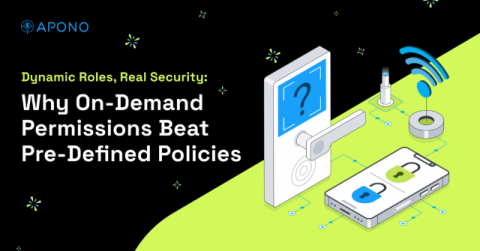
Dynamic Roles, Real Security: Why OnDemand Permissions Beat PreDefined Policies

How context‑aware, short‑lived roles eliminate privilege sprawl and accelerate secure engineering without overburdening admins Access management for remote resources has come a long way from VPNs and bastion hosts. The rise of cloud platforms, microservices and remote workforces has driven a shift toward Cloud-native security controls that integrate directly with AWS, Azure, GCP and Kubernetes.

APT-C-60 Exploits Zero-Day Vulnerabilities: Inside the SpyGlace Loader, COM Hijacking, and C2 Infrastructure

The cyber espionage landscape continues to evolve in sophistication and stealth—and among the more notable actors is APT-C-60. In recent months, this adversary has significantly escalated its tactics by leveraging zero-day vulnerabilities and orchestrating multi-stage campaigns to deploy the SpyGlace back-door.