Security | Threat Detection | Cyberattacks | DevSecOps | Compliance

5 reasons patch management stalls and what modern IT teams can do to fix it

Patch management is one of those responsibilities everyone agrees is essential, yet very few teams feel confident about. The organizations I speak with every week are not struggling because they lack urgency or awareness. They are struggling because the environment around patching has changed dramatically.

Platform enhancements strengthening security across every child org

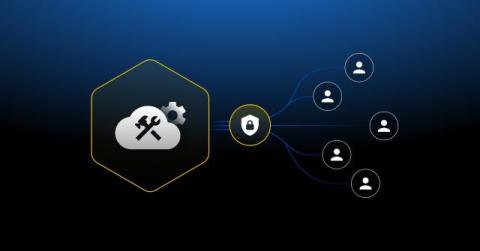
Multi-org environments introduce complexity that most tools simply weren’t built for. Analysts are often forced to jump between different orgs, duplicate configuration work, and maintain parallel dashboards, alerts, and content–inefficiencies that increase risk, overhead, and time-to-response. Every minute spent managing infrastructure is one you’re not spending serving your clients or responding to threats.

Questions to ask before vetting an AI agent for your SOC

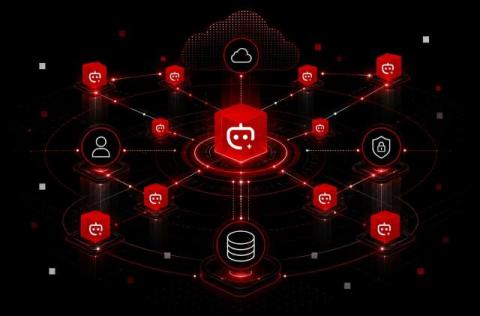
So you’re ready to “hire” an agent or two for security operations. While AI agents won’t replace your human analysts, they are quickly becoming indispensable team members. Choosing the right ones should resemble a typical hiring process: you need to determine if they possess the necessary skills to fill your team’s gaps, work effectively with others, and grow with your organization. Here are five questions worth asking before you bring an AI agent on board in your SOC.

Identity security: The essential foundation for every CISO's 2026 cybersecurity strategy

When I first joined CyberArk, it wasn’t just about the company or the technology, but a belief. A belief that identity security is the foundation of cybersecurity. Identity security is the unifying thread that ties together risk management, resilience, and trust in an era where identity—human, AI, and machine—has become the true perimeter of the enterprise. Every day, I see how this conviction plays out across industries and organizations.

NPM User Flooding Registry with Fake Font Packages

During routine monitoring of NPM registry activity, we identified a suspicious pattern involving user sdjkals who has published 10 packages containing what appear to be WOFF2 font files. Initial analysis reveals these are not legitimate font assets. The packages are scoped under @sdjkals/* with version numbers reaching 1.0.1594 and 1.0.1912, indicating extremely rapid republishing cycles, new versions are being pushed every few minutes.

How the Social Engineering Toolkit Helps Red Teams

The Social Engineering Toolkit, or SET, is a tool that security teams use to copy the tricks that attackers use. It helps them see how well a company reacts when a message or link does not look legitimate. It can also test how people respond when they land on a copied website. Most guides cover only basic SET features. This blog explains how experts use SET in real tests and how defenders notice SET activity before harm occurs.

Secure AI Agent Infrastructure with Zero-Code MCP

Learn how to secure AI and MCP infrastructure without writing authorization code, rewriting MCP servers, or limiting agent work with Teleport’s zero-code MCP integration. AI agents are becoming powerful participants in engineering workflows. But without meaningful authorization boundaries, they can quickly become an existential security risk. AI agents do not behave like traditional applications. Instead, they generate actions and chain together tools in unpredictable ways.

How To Reduce Risk This Holiday Season

The holiday season is traditionally a period of goodwill, gift giving, and time with loved ones, but if you are responsible for your enterprise’s cyber defenses it’s also a time when you should have a heightened awareness of cyber risk. Cybercriminals often treat this time of year as a prime opportunity to exploit the unprepared and unwary.

New Attack Technique "ConsentFix" Hijacks OAuth Consent Grants

On December 11, 2025, Push Security published research detailing a newly observed browser-based phishing technique called ConsentFix. The name ConsentFix is derived from its similarity to the previously documented ClickFix technique using fake CAPTCHA pages. ConsentFix, enables threat actors to gain cloud account access without capturing passwords, multifactor authentication (MFA) codes, or other credentials by abusing legitimate OAuth authentication and consent flows.

Phishing Campaign Targets Executives With Phony Awards

A phishing campaign is targeting executives with phony offers for awards, according to researchers at Trustwave SpiderLabs. The attackers first dupe the victims into handing over their credentials, then use the ClickFix social engineering technique to trick them into installing malware. “The campaign uses a high-value executive recognition lure, ‘Cartier Recognition Program,’ to target executives,” the researchers write.