Security | Threat Detection | Cyberattacks | DevSecOps | Compliance

10 Data Security Best Practices: Simple Methods to Protect Your Data

Data security is more important than ever because of an expanding cyber attack surface, frequent supply chain attacks, and evolving AI threats. The global average cost of a data breach reached an all-time high of $4.45 million in 2023, according to the 2023 Cost of a Data Breach Report by IBM Security. In this article, you’ll discover the main data security strategies and 10 methods of protecting data that apply to most industries.

New Phishing-as-a-Service (PhaaS) platform, 'Tycoon 2FA', Targets Microsoft 365 and Gmail Accounts

A new PhaaS service brings the power of bypassing multi-factor authentication (MFA) to the world’s most-used email platforms. At its core, Tycoon 2FA isn’t doing anything new. It uses a reverse proxy server to host a phishing web page that impersonates the legitimate email platform in question. Then it intercepts the victim's input and relays them to the legitimate service. But it’s how this platform does it that is sophisticated.

Critical Improvements To The Seven Most Common Pieces of Cybersecurity Advice

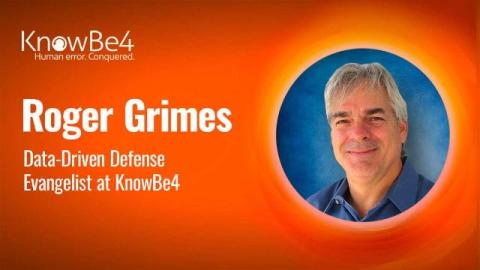
I have been in the cybersecurity industry for over 35 years and I am the author of 14 books and over 1,400 articles on cybersecurity. I regularly speak with thousands of cybersecurity practitioners each year. Nearly every day, I see (good) cybersecurity advice, but some of it is just a bit shy of what is needed…such as “Use MFA!”. That is good advice, but is not specific enough. It does not give enough detail. There is a slight adjustment needed to get the most benefit.

The Ultimate Guide to Sigma Rules

In cybersecurity as in sports, teamwork makes the dream work. In a world where security analysts can feel constantly bombarded by threat actors, banding together to share information and strategies is increasingly important. Over the last few years, security operations center (SOC) analysts started sharing open source Sigma rules to create and share detections that help them level the playing field.

Cybersecurity Compliance Around the Globe: India's DPDP

In an era where data breaches and privacy concerns are increasingly shaping global discourse, India's proactive stance on data protection is noteworthy. Introducing the Digital Personal Data Protection (DPDP) Act 2023 marks a significant milestone in India's legislative landscape. This groundbreaking Act fortifies individual data privacy rights and aligns India with global cybersecurity and data protection standards, setting a new benchmark for regulatory compliance.

RUBYCARP: A Detailed Analysis of a Sophisticated Decade-Old Botnet Group

The Sysdig Threat Research Team (Sysdig TRT) recently discovered a long-running botnet operated by a Romanian threat actor group, which we are calling RUBYCARP. Evidence suggests that this threat actor has been active for at least 10 years. Its primary method of operation leverages a botnet deployed using a variety of public exploits and brute force attacks.

Crash-Consistent Backup vs Application-Consistent Backup

In the world of data backup and recovery, you would have come across the terms crash-consistent backup and application-consistent backup very frequently. With these types of backup you can ensure the recover ability and availability of the backed up data. Understanding the difference between the two backup methods is crucial for organizations seeking to implement effective data protection strategies.

Barracuda's Adam Khan on AI-driven XDR and plugging the cybersecurity skills gap

In this week’s episode of The Future of Security Operations podcast, I'm joined by Adam Khan. Adam is a cybersecurity and technology leader with over 25 years of experience working at Fortune 500 companies. He has a proven track record of building and managing global security teams, leading engineering, infrastructure, application, and product, and is currently VP of Global Security Operations at Barracuda.

Prevent Data Exfiltration in Kubernetes: The Critical Role of Egress Access Controls

Data exfiltration and ransomware attacks in cloud-native applications are evolving cyber threats that pose significant risks to organizations, leading to substantial financial losses, reputational damage, and operational disruptions. As Kubernetes adoption grows for running containerized applications, it becomes imperative to address the unique security challenges it presents.