Security | Threat Detection | Cyberattacks | DevSecOps | Compliance

Mapping DORA to ISO 27001 and SOC 2

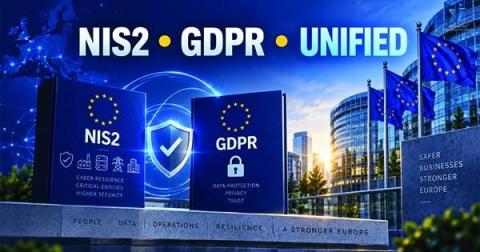
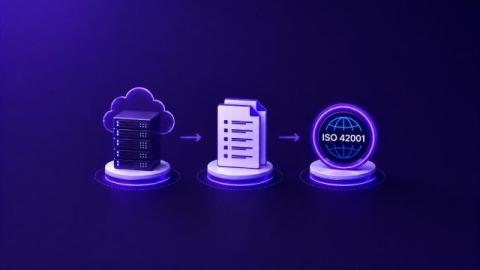
Rate this post Last Updated on April 22, 2026 by Narendra Sahoo For EU financial entities facing DORA compliance, the prospect of simultaneously managing ISO 27001 and SOC 2 can feel overwhelming. The reality is far more encouraging: these three frameworks share deep structural overlap, and organisations that approach them as an integrated compliance program — rather than separate projects — can reduce compliance duplication by 40–60%.

Beyond the Checklist: Inspection-Readiness Starts With Building a Culture of Compliance and Transparency

Inspection readiness in life sciences is no longer just about checklists and technical controls. True compliance requires a culture of transparency, strong data governance, and continuous audit readiness. By embedding traceability, accountability, and automated compliance into everyday workflows, organizations can build trust with regulators, reduce inspection risk, and ensure their data integrity supports both regulatory success and patient safety.

A Complete Guide to Choosing the Best Making Tax Digital Software

Making Tax Digital has changed the way UK businesses manage their taxes, pushing everything towards digital record-keeping and online submissions. While this shift may initially seem daunting, it actually presents an opportunity to streamline financial processes and gain better control over your business. The key to making this transition smooth lies in choosing the right software. In this guide, we will break down what to look for, how to compare options, and how to confidently select the best solution for your needs.

Your auditor is about to ask about AI agents. 9 things they'll want to see

Accelerating security solutions for small businesses‍ Tagore offers strategic services to small businesses. A partnership that can scale‍ Tagore prioritized finding a managed compliance partner with an established product, dedicated support team, and rapid release rate. Standing out from competitors‍ Tagore's partnership with Vanta enhances its strategic focus and deepens client value, creating differentiation in a competitive market. Studies show that AI adoption outpaces understanding.

PCI DSS compliance levels: what they mean and how to qualify

PCI DSS compliance levels categorize merchants and service providers based on annual card transaction volume, determining their validation requirements. Merchants fall into four levels, with Level 1 requiring the most rigorous assessment through a Qualified Security Assessor, while Levels 2 through 4 typically complete self-assessment questionnaires. Service providers follow a separate two-tier system.

How To Conduct a DORA Gap Assessment

DORA compliance isn’t optional for financial entities in the EU. The Digital Operational Resilience Act demands a systematic approach to identifying and closing ICT risk gaps, and the data shows most institutions are struggling. If you’re responsible for DORA compliance, you need a clear roadmap. Let us walk you through exactly how to conduct a gap assessment that actually works. Failure to meet DORA compliance requirements can lead to regulatory penalties and operational disruptions.

FedRAMP Leveraged vs Agency ATO Authorization Paths

FedRAMP is the information security framework used by the United States government, and it’s required for any cloud service provider hoping to work with the government in a way that handles sensitive information. If you’re a cloud service provider and you want to become FedRAMP-authorized, how do you do it? Unfortunately, this is a more difficult question to answer than a lot of people wish.

Compliance with One Identity: Two birds, one stone

One Identity Global Strategists Alan Radford and Rob Kraczek dive into the common problem of an undetected breach and stress the importance of using smart identity security tools to create a strategy that not only prevents breaches, but that also solves compliance problems before an audit even starts.

Employee Monitoring and CCPA/CPRA Compliance

Employee monitoring has become a standard practice for organizations seeking visibility into productivity, security, and operational efficiency. However, monitoring employees, especially in jurisdictions like California, requires careful alignment with privacy laws such as the California Consumer Privacy Act (CCPA) and its amendment, the California Privacy Rights Act (CPRA). This article provides a high level overview of how employee monitoring intersects with CCPA/CPRA requirements.