Security | Threat Detection | Cyberattacks | DevSecOps | Compliance

FedRAMP vs. ISO 27001: How They Compare and Which Do You Need?

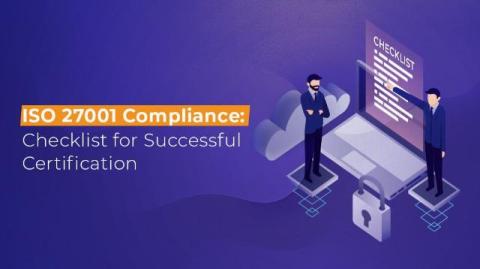
In the world of security, there are many different frameworks that may be relevant or important to your plans. We’ve talked a lot about FedRAMP, the federal government’s security framework, but it’s only one of many options. Others, from HIPAA to FISMA to SOC2, can all have their role. One of the biggest and most direct equivalents to FedRAMP is ISO 27001. What is it, how does it compare to FedRAMP, and which one should you use? Let’s talk about it. Table of Contents 1.

How To Ensure HIPAA Compliance With a Password Manager

The Health Insurance Portability and Accountability Act (HIPAA) is U.S. legislation created to set national privacy and security standards to protect the privacy of patient health information and prevent data breaches. All organizations associated with healthcare, including health insurance companies and business associates, fall under HIPAA regulations – meaning they have to comply with HIPAA compliance requirements.

A Guide to Complying with the Australian Signals Directorate

The Australian Signals Directorate (ASD) is a government agency responsible for providing foreign signals intelligence and ensuring information security for Australia’s national interests. The ASD also significantly enhances the nation’s cybersecurity through strategic advice, standards, and protective measures.

A Guide to New Zealand's Cybersecurity Standards

In an age of increasingly complex cyber threats, New Zealand has implemented robust cybersecurity standards to secure the online environment for individuals, businesses, and government entities. New Zealand's cybersecurity approach is unique and effective, from the overarching strategies laid out by national cybersecurity policies to specific regulatory requirements that impact sectors like healthcare and finance.

HIPAA Email Security: A Guide for Healthcare Organizations

This article is a must-read guide on email security in healthcare. It analyzes the regulatory complexities of HIPAA, outlines practical strategies for secure communications, and sheds insights into why your healthcare organization may need to take action. By the end of reading this guide, you’ll be able to make informed choices regarding your email practices.

8 Steps to Navigating Cybersecurity Data Compliance

Cybersecurity compliance is complicated. As industry standards change and evolve with new technology, so do compliance requirements. Depending on your organization’s operations, industry, or even location, compliance could mean adhering to multiple frameworks and reporting to multiple governing bodies. In fact, 67% of organizations surveyed by Arctic Wolf follow between one to three sets of guidelines.

Cost, convenience, and compliance: The value for insurers of the Forrester Total Economic Impact Study

The growing sophistication of threat actors, supply chain disruptions, and the potential for systemic and catastrophic losses make for a precarious landscape for insurers and those seeking insurance. To help customers reduce risk at scale, insurers and brokers must adopt technology in order to visualize vulnerabilities while also forecasting, quantifying, and monitoring risks.

Breaking Compliance into Bite-Sized Portions

Many companies strive to achieve the best security possible. Along the path to improved security, many companies are also required to meet various compliance standards. In some cases, compliance is also a regulatory requirement. This crossroad between security and compliance can sometimes seem at odds with the organization’s goals. Compliance does not always equal security.