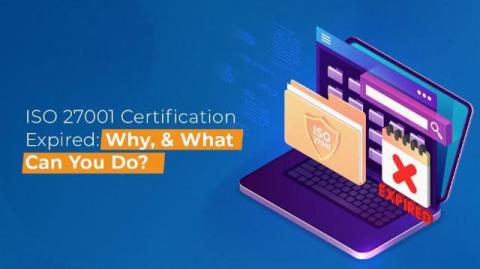
Here we provide an overview of the ISO 27001 audit process, so companies can embark on it with a clear idea of what it entails, and how they stand to benefit.
We’ve talked a lot on this blog about protecting controlled unclassified information, and we’ve mentioned in places some other kinds of information, like classified and secret information, covered defense information, and other protected information. There’s one thing all of this information has in common: it’s generated by the United States government.
The new NIS2 directive is designed to strengthen the cyber resilience of over 160,000 companies that operate in the EU - either directly or indirectly. Coming into force by 17th October, NIS2 regulations will outline how these essential entities can combat increasingly sophisticated and frequent cyber attacks.
Empowering GRC teams to make their security and compliance continuous and automated. Announcing Report Center, enhancements to Vendor Risk Management (VRM), and market-leading milestones for integrations and frameworks.
Incident reporting is a crucial component of maintaining cybersecurity and operational resilience across the European Union. As outlined in Article 23 of the NIS2 Directive entities falling under its scope are required to report “significant incidents” to the CSIRT (Computer Security Incident Response Team or the relevant competent authority without undue delay.
The risk of cyber attacks for companies is increasing and can significantly disrupt their operations, have negative financial consequences and damage their reputation. Small and medium enterprises (SMEs) are especially vulnerable to these attacks due to limited resources and a lack of cyber security expertise. Understanding the significance of cyber security is crucial for protecting sensitive data and ensuring business continuity.
Security is a top buying requirement for businesses today. In fact, two-thirds of respondents to our State of Trust survey say that customers, investors, and suppliers are increasingly looking for proof of security and compliance. As concerns around in-house security practices, third-party tools, and access to customer data grow, customer expectations for trust continue to rise.
Generally, computer inventory refers to the comprehensive record-keeping system that tracks and manages all computer-related assets within an organization. This includes hardware like desktops, laptops, servers, and peripherals, as well as software licenses and applications.
Are you ready for DORA and NIS2? Discover how these regulations could transform your security strategy! Welcome back to another episode of Razorwire! Today we unpack the DORA and NIS2 regulations with esteemed cybersecurity expert Richard Cassidy. I’m your host, Jim Rees, and I’ll be guiding the conversation for anyone navigating the evolving landscape of digital security in the financial sector. In this information-packed episode.