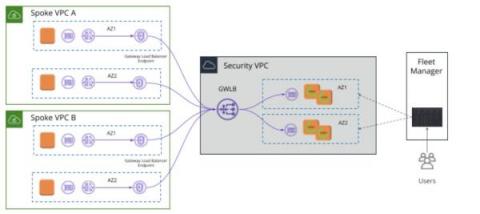
A six-figure surprise is awesome when it’s a lottery win. It’s not so awesome when it’s the “Amount Due” appearing in your monthly cloud bill. But enterprises receive these “surprises” all the time, and what can sting even more is trying to explain this preventable expense to management. Inefficient (not optimized) traffic routing to and from your various cloud instances and other services can hurt your business in other ways too.
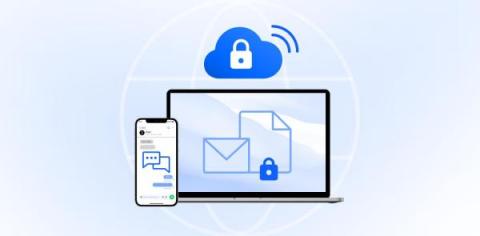
Internxt is a little different than your average cloud service. Our secure storage was designed from the ground up with the user and their privacy in mind. To do this, we’ve built our service for Web3, which means the information we encrypt and store is decentralized and our business model has nothing to do with selling data.
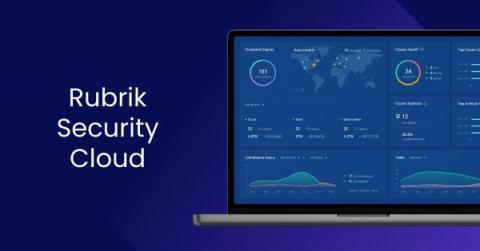
Organizations have moved business-critical apps to the cloud and attackers have followed. 2020 was a tipping point; the first year where we saw more cloud asset breaches and incidents than on-premises ones. We know bad actors are out there; if you’re operating in the cloud, how are you detecting threats? Cloud is different. Services are no longer confined in a single place with one way in or one way out.
The security problems that plague organizations today actually haven’t changed much in 30 years. Weak and shared passwords, misconfigurations and vulnerabilities are problems that have tormented the industry for years and persist to this day. What’s changed is the speed and sophistication at which today’s adversary can weaponize these weaknesses.
Do you remember when viruses used to be funny and not such a big deal? Maybe a cat would constantly pop up on your desktop or you’d get spammed with hundreds of ads for male enhancement pills? Well, the early 2000s are over (yes, it’s depressing) and malware has advanced far beyond its somewhat quirky origins. Today, viruses have become extremely sophisticated and it’s difficult to know for sure if your files have been infected or not. So what is malware exactly?
Software-as-a-service (SaaS) has taken over the world because it’s easy. With just a few clicks, business units can find an application that’s suitable for a particular business process. They can subscribe to it and immediately start using it — and the IT department might never find out.
If your enterprise is like most of Forward Networks’ customers, then your IT shop oversees a sizable cloud estate. You probably have hundreds of accounts, projects, or subscriptions across different cloud vendors. There are tons of related objects too — virtual machines, firewalls, transit gateways, subnets, and more. And cloud-native apps? Maybe you hundreds of those in use or development as well.