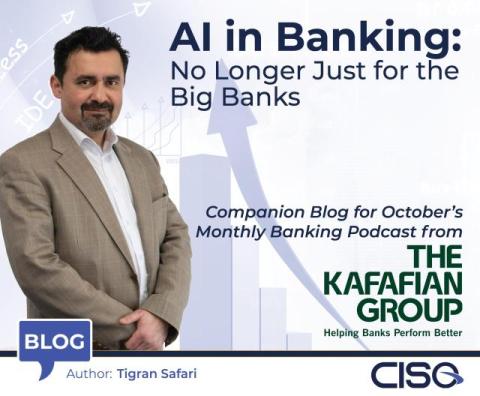
AI isn’t some far-off sci-fi concept anymore. It’s here, and it’s coming to a bank near you! Listen to the latest from Tigran Safari and Chris Clements on this month’s Banking Podcast from The Kafafian Group.
AI code generators are revolutionizing the way developers write and maintain code. These advanced tools leverage machine learning (ML) and natural language processing (NLP) to significantly boost productivity, improve code quality, and enhance security. However, they can sometimes introduce subtle vulnerabilities if not carefully monitored. With generative AI, software developers can complete coding tasks up to x2 faster.
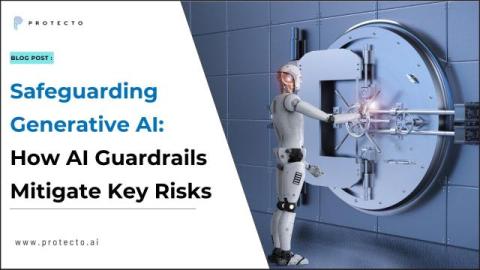
The growing reliance on generative AI is transforming industries across the globe. From automating tasks to improving decision-making, the potential of these systems is vast. However, with this progress comes significant risks. Generative AI can be unpredictable, creating new vulnerabilities that expose organizations to data privacy breaches, compliance failures, and other security issues. So, how can companies harness the power of AI while ensuring they remain protected?
In today's competitive business landscape, efficiency is paramount. Companies are continually seeking innovative ways to streamline operations, reduce costs, and enhance customer satisfaction. One powerful tool that has emerged in this quest for efficiency is the AI-powered chatbot. Platforms like rai-bot.com are leading the charge, providing businesses with intelligent chatbot solutions that revolutionize the way they interact with customers and manage internal processes.
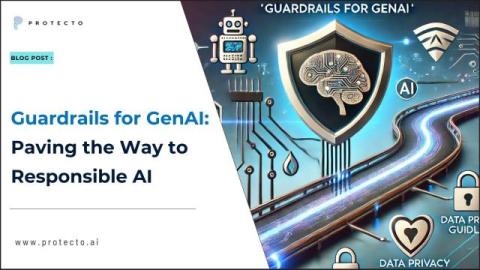
As artificial intelligence (AI) grows, AI guardrails ensure safety, accuracy, and ethical use. These guardrails are a set of protocols and best practices designed to mitigate risks associated with AI, such as bias, misinformation, and security threats. They are vital in shaping how AI systems, particularly generative AI, are developed and deployed.
How Generative AI Can Help Identify Malware? Spambrella explains how AI models add value: Generative AI models can identify malware by learning the patterns and structures typical of malicious code versus benign software. Code Generation and Analysis – By generating variations of known malware, these models can simulate potential new forms of malware, helping cybersecurity teams anticipate and defend against unseen threats.
As large language models (LLMs) become more advanced and are granted additional capabilities by developers, security risks increase dramatically. Manipulated LLMs are no longer just a risk of ethical policy violations; they have become a , potentially aiding in the compromise of the systems they’re integrated into.
Are you struggling to balance the productivity gains delivered by Generative AI with security, data privacy and compliance concerns? In this webinar, Tines and AWS share how you can develop effective strategies to mitigate these risks while providing models with enough contextual information to allow them to solve problems accurately and effectively. You’ll hear from industry leaders who created a secure-by-design approach to building AI features and will learn.