Mailchimp
Not subscribed to OpsMatters Newsletter


LimaCharlie has successfully completed its Service Organization and Control (SOC 2) audit. The audit was conducted by the Johanson Group, a leading professional service firm that focuses on SOC 2 & 3 examinations for public and private companies. The Johanson Group counts Cisco, Symantec and Broadcom among their many clients. They have members on the team that are Certified Information System Auditors (CISA) and are Certified Information Systems Security Personnel (CISSP).
Today, businesses live or die by their digital presence. Crafting the best digital experience means putting the end user first, which requires a delicate balance of technology and innovation. To achieve this balance, businesses make use of third-party code, tools, and cloud services combined with their own technology to drive down time to market. As a result, most modern web applications are a culmination of first-party and third-party technologies delivered from the cloud.
Supply-chain attacks may not grab the headlines in the same way as ransomware or data breaches, but these sneaky cyberattacks are just as dangerous for your business.
ProxyShell is a massive new exploit campaign that is targeting vulnerable Microsoft Exchange servers. The servers are publicly available and the campaign is directly responsible for a number of breaches and subsequent ransomware attacks. There have been thousands of compromised Exchange servers to date. Ransomware is simply the byproduct of unauthorized access and privilege escalation and typically has to start with something like ProxyShell providing an attacker remote access.
Often, penetration testing (or pen testing) and vulnerability scanning are used interchangeably. In doing so, the importance of each method of testing gets lost in the confusion. Both of these are significant in protecting your data and infrastructure for different reasons. In the age of digitally storing information and companies having an online network presence, it’s easy for hackers to find their way in. This is why both pen testing and vulnerability scanning are important.
While business partnerships require trust, security requires verification. In a world where business relies on data security, vendor risk management is mission-critical to financial success. Organizations rely on vendor security assessment questionnaires as part of their due diligence processes. However, manual questionnaire processes are burdensome and time-consuming, so many organizations are turning to automation to reduce operational costs.
AT&T Business is all-in on Secure Access Service Edge (SASE) as an essential framework for security-driven networking. As the AT&T Cybersecurity team endeavors to help organizations transition to SASE frameworks, it’s picking up accolades not only from valued AT&T customers but also the broader cybersecurity community.
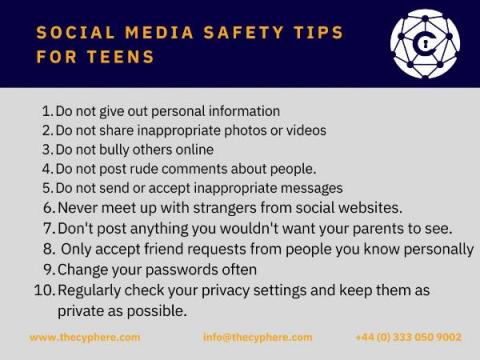
Social media is a part of our lives. It’s a relevant part of our communication and socialisation, but it can also be dangerous. Whether you’re on Facebook, Twitter, Instagram or Snapchat – social networking sites are all over the Internet, and there’s no way to escape them.