Mailchimp
Not subscribed to OpsMatters Newsletter


Handling our system memory safely and protecting it from harmful programs and other programs that are prone to executable code run from a data page on different memory locations and specific data section is a challenging task. The essential Windows programs and services have been a big step forward in easing that task.
Unless you have experience as a Kubernetes operator or administrator, admission controllers may be a new feature for you. These controllers work mostly in the background and many are available as compiled-in plugins, but they can powerfully contribute to a deployment’s security. Admission controllers intercept API requests before they pass to the API server and can prohibit or modify them.
Gartner has recognized Trustwave as a Representative Vendor in the analyst firm’s March 2022 Market Guide for Managed Security Services (MSS). In addition, Gartner previously recognized Trustwave as a leader in its MSS solution in its 2019 Gartner “Magic Quadrant for Managed Security Services, Worldwide.”
Snyk recently open sourced our faker-security Python package to help anyone working with security data. In this blog post, we’ll briefly go over what this Python package is and how to use it. But first, we’ll get some context for how the factory_boy Python package can be used in combination with faker-security to improve your test-writing experience during development. Note: Some knowledge of Python is helpful for getting the most out of this post.
Emerging government regulations have driven the advancement of standards for securing software supply chains. The production of a Software Bill of Materials (SBOM) in a standard format is an increasing audit and compliance need for large organizations.
Organizations are always concerned with improving efficiencies to make business flow smoother. Some of the biggest inefficiencies in any business revolve around time wasted on operational tasks. Whether it is a stale accounting process, or something as trivial as routing phone calls to the proper department, saving time by improving a process can mean more profits, which is what business is all about.
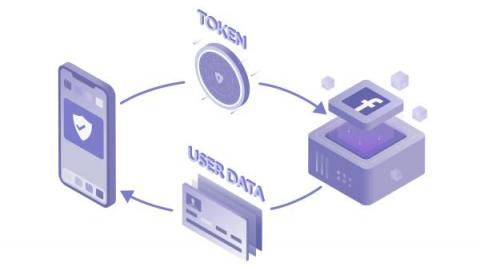
The modern human likely has profiles on dozens of applications. Whether it’s social media applications, music/video streaming, or workspace resources, each of us must manage accounts that contain personal information. Over time, these siloed applications have become increasingly connected. Twitter allows news sites to directly tweet, Discord searches Facebook for suggested friends, and Jira creates user accounts using Github profiles.