Mailchimp
Not subscribed to OpsMatters Newsletter


The team at LimaCharlie continues on its mission to develop the concept of Security Infrastructure as a Service. We added three new team members during the month of June with more coming! We also hosted a webinar on securing your CI/CD pipeline built around some new capabilities we added which allow for the ingestion and monitoring of GitHub audit logs. You can watch a recording of that webinar here: SecDevOps & LimaCharlie - Automating and auditing of GitHub access
At 2022’s AGConf (1Password’s annual employee conference), every employee received a goodie box to celebrate the event and the company’s successes over the past year. Our theme this year was “space”, so the goodie box included a kit for a Lego rocket ship (very appropriate considering our own CEO is a Lego aficionado).
The job of a CISO is one of constant change and unexpected challenges. One of the most energetic environments to govern is that of a university. Universities function not only as academic institutions, but also as research hubs, hosting both curious students, as well as notable scholars. This is an audience not known for slow-motion progress. They need results, and they expect them quickly. At a large university, the responsibility of a CISO is dizzying.
The widespread adaptability and integration of tools and the professionals who can effectively use them to comply with the law will significantly impact the careers of both lawyers and other legal personnel. One of the fastest-growing areas in the legal profession in the United States is Privacy Law. Privacy certifications endorse attorneys as credentialed privacy lawyers. Privacy certifications can boost income streams and growth potential while increasing job stability and sustainability.
With the rising trend of digitization, major companies like Airbnb, Microsoft and Twitter are staying out of the office, moving processes online and allowing employees the option to work from home. Organizations are adopting remote and hybrid working models. As a result, many people are spending more than double the amount of time online as they did pre-pandemic.
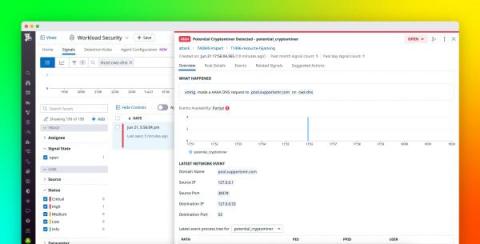
The Domain Name System (DNS) is responsible for mapping client-facing domain names to their corresponding IP addresses, making it a fundamental element of the internet. DNS-level events provide valuable information about network traffic that can be used to identify malicious activity. For instance, monitoring DNS lookups can help you see whether a host on your network attempted to connect to a site known to contain malware.
Companies have increasingly allowed bring your own device (BYOD) policies to support remote work, but in today’s cybersecurity landscape, this trend has led to an increased attack surface. Each additional endpoint increases the potential for credentials to be compromised through credential phishing attacks. Hackers are leveraging this trend to conduct insider attacks, leaving businesses vulnerable to data breaches.
We are thrilled to announce that CRN has recognized WatchGuard in its first-ever MES Matters list for 2022! This awards program highlights vendors that have proven themselves to be cutting-edge technology providers offering solutions that support the growth and innovation of midmarket organizations. CRN defines the midmarket as an organization with an annual revenue of $50M - $2B, and/or 100 – 2500 total supported users and seats.