Mailchimp
Not subscribed to OpsMatters Newsletter


As a developer or member of a DevOps team, you probably know the stress and satisfaction of pouring your heart and soul into developing a groundbreaking cloud-native application. But without proper protection, your hard work could be compromised in seconds. That’s where CNAPP comes in, revolutionizing how we can ensure the security of our applications.
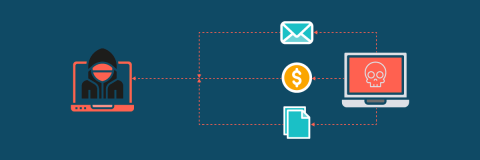
With the increasing frequency of cyber-attacks, businesses need to prioritize proactive early incident detection. In this blog, we will highlight the significance of a high-quality threat intelligence solution in building a well-rounded and proactive defense strategy. In an era defined by pervasive connectivity, businesses of all sizes find themselves grappling with an escalating threat of cyber-attacks.
We're excited to share that Nightfall has been named as a Leader in Data Security in G2's Summer '23 rankings. Huge thank you to our customers and supporters who made this possible, and to our dedicated team who works so hard to keep their cloud data safe. This year has been busy, with the release of our Zendesk Integration, which provides market-leading AI-powered DLP to the most widely used customer support platform.
Washington and Seoul expose North Korea’s Kimsuky cyber spies, the Asylum Ambuscade crimeware group conducts cyberespionage, and the Cyclops ransomware and stealer combo poses a dual threat.
Public Key Infrastructure (PKI) plays a vital role in managing the public keys utilized by networks. It’s used for public-key encryption, identity management, certificate distribution, and revocation. The foundation of a PKI system lies in asymmetric cryptography involving a pair of public and private keys. Safeguarding the X509 private key is an essential aspect of PKI management.
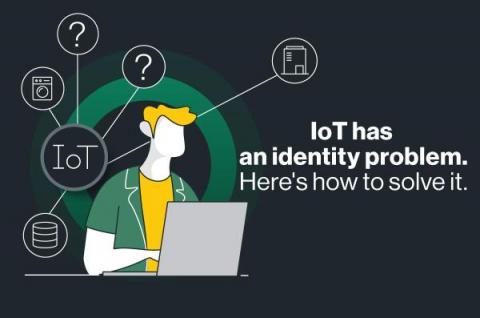
Successfully Identifying operating systems in organizations has become a crucial part of network security and asset management products. With this information, IT and security departments can gain greater visibility and control over their network. When a software agent is installed on a host, this task becomes trivial. However, several OS types, mainly for embedded and IoT devices, are unmanaged or aren’t suitable to run an agent.
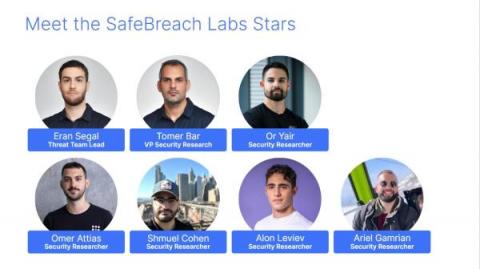
SafeBreach Labs is the research and development arm of SafeBreach. SafeBreach Labs delivers cutting-edge vulnerability and cybersecurity research as well as novel product ideas. Real-world insights and observations of “in-the-wild” attacks, as well as in-depth and frequent conversations with the top cybersecurity researchers and CISOs worldwide, serve as the foundation for its research and product-related work.
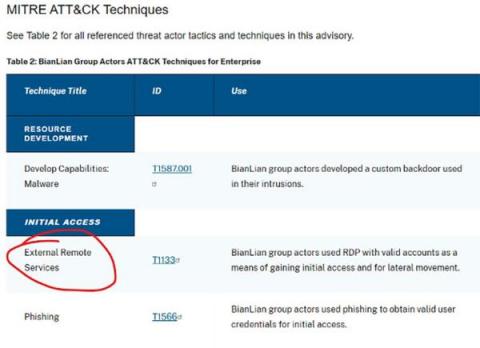
Depending on what the world’s threat actors are up to and whether their activity is detected, CISA may issue a cybersecurity advisory (CSA) every few days or have nothing for a month. It’s hard to predict, and you never know what’s coming your way. One thing is certain: If you managed cybersecurity for a critical infrastructure entity and this #StopRansomware: BianLian Ransomware Group CSA landed in your inbox, you would probably want to take swift action.
Phishing attacks are a major cyber threat that continue to evolve and become more sophisticated, causing billions of dollars in losses each year according to the recent Internet Crime Report. However, traditional offline or inline phishing detection engines are limited in how they can detect evasive phishing pages. Due to the performance requirements of inline solutions, they can only target specific campaigns and, at best, act as a basic static analyzer.