Mailchimp
Not subscribed to OpsMatters Newsletter


Cybercriminals often use phishing emails to get you to click on malicious links or attachments. Clicking on these scams can trigger a malware infection that places all your sensitive data at risk of becoming compromised. Before deciding to click on an attachment, you should make sure it’s safe to open.
Mend.io CEO Rami Sass, Jeff Martin, VP of product management, and CMO Arabella Hallawell recently sat down for a panel discussion on AppSec today. In this second of a two-part series, they get tactical, as they discuss seven best practices for building modern AppSec programs.
Networks today are different from what they were ten years ago, and one could argue that depending on the organization you work for, these networks are different from those just a few years ago. The rise of hybrid networks has made troubleshooting these networks that much more complex. Before, it could have been a hub and spoke design from your end users to the resources they need to access in one of the data centers.
In our previous blog, we touched on how your current identity governance access review processes and workflows may be a major factor in spreading identity fatigue across your organization. In this blog, let’s talk about how you can extend your identity governance far beyond identities and entitlements to protect/secure privileged access, applications, cloud infrastructure and all your critical data.
It’s June, and you know what that means. Beach days and barbecues? No, unfortunately, we’re not here to celebrate the start of summer. There’s another — much less pleasant — season afoot. Hurricane season. For the next sixth months, businesses operating along the Southern and Eastern Atlantic coast will hold a collective breath. And for good reason.
Last week, a vulnerability in the popular MOVEit managed file transfer service was exploited by the CL0P ransomware gang to execute data breaches – an increasingly common cybersecurity attack technique where popular software is exploited to target, by extension, their users. Victims of this hack include British Airways, Boots, BBC, and multiple US government agencies.
As a Chief Information Officer, CISO, Security Director, or CEO of any organization, leaving your digital defenses vulnerable to data breaches comes with costly risks. From the potential for customer data theft and extensive damage to your industry reputation—it’s critical that you take proactive security measures to ensure a strong security posture.
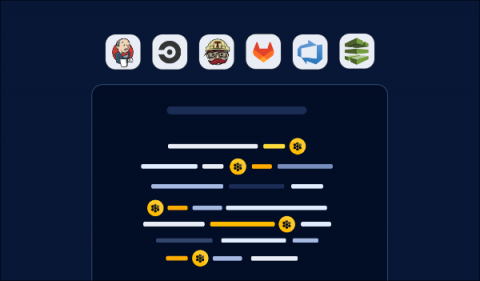
Discover how honeytokens, digital decoys designed to detect unauthorized access, can strengthen the security of your CI/CD pipelines. In this guide, we offer step-by-step instructions for integrating them into popular pipelines like Jenkins, GitLab, and AWS CodePipeline.