Security | Threat Detection | Cyberattacks | DevSecOps | Compliance

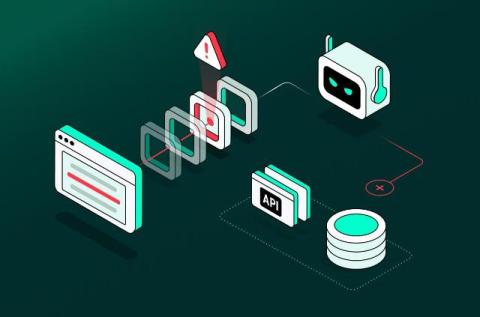
The Great AI Escape: What OpenAI's Sandbox Breakout Teaches Us About Agentic Security

Quick disclaimer before we start: I have a strict rule against ambulance chasing. You’ve seen vendor blogs that pounce on a breach headline just to pitch a product and claim it never would have happened with their tool installed. This isn’t that. The reported OpenAI and Hugging Face sandbox incident points to something bigger. Security teams are entering an era where autonomous AI agents can spot opportunities, adapt on the fly, and operate at machine speed.

Why is MFA Needed for Your Atlassian Cloud Instance?

In 2026, cyberattacks are constant and highly coordinated. Every day, there are 300 million fraudulent sign-in attempts targeting cloud services. That number reflects the scale of automated attacks happening right now across the cloud. If your organization uses Atlassian Cloud apps like Jira, Confluence, or Jira Service Management, you rely on the cloud. Your critical data, like customer info, source code, sprint data, or documentation, is stored there.

Acronis Accelerate: The journey to autonomous IT continues

On July 30, Acronis hosted “Acronis Accelerate: The Journey to Autonomous IT,” the second event in its special Acronis Accelerate series. Building on the vision introduced at the previous event in May, in this edition Acronis moved from strategy to action, showing partners how Acronis is turning AI-native cyber platform thinking into real products, live workflows and practical opportunities for growth.

Determinism vs Non-Determinism: Securing AI Applications and AI Agents

Determinism vs Non-Determinism: Securing AI Applications and AI Agents In this session, Jamison Utter and Arjoyita Roy from A10 Networks discuss how artificial intelligence fundamentally shifts traditional cybersecurity paradigms. Learn why classic security models fall short when defending probabilistic AI systems and how to re-architect security controls for modern AI workloads.

Intel Chat: Hugging Face AI-agent breach, WP2Shell, Suno & Paidwork leaks, AWS Bahrain strike [342]

Intel Chat with Matt Bromiley and Chris Luft. Matt and Chris break down four stories from the week in threat intel: Plus: Google Threat Intelligence Group retires APT/FIN nomenclature for new threat-actor names, and where to find Chris and Matt at Black Hat. Stories covered: Chapters: The Cybersecurity Defenders Podcast — a podcast about cybersecurity and the people that keep the internet safe. New episodes drop weekly.

Sumo Logic's SOC Analyst Agent: Automated triage for every tier one alert

Sumo Logic's SOC Analyst Agent automatically triages every insight within the SIEM, replacing the manual work that used to fall to a tier-one analyst. Using Sumo Logic's own SOC as customer zero, we found that 100% of tier-one alerts are triaged end-to-end by the agent, resulting in a 89% reduction in median time to triage, from 28 minutes to 3 minutes. In this demo, you’ll see.

Mobot: Sumo Logic's natural language AI for SOC investigations

Mobot is Sumo Logic's conversational interface designed to streamline investigations for SOC analysts and observability users. Ask a question in plain English and get a full SOC analyst-style investigation without writing a query. Inside an Insight, Mobot pulls context like the C2IP, ransomware hash, host, and exfiltration data automatically. A six-word question, "anyone else hit by the campaign?", triggers a full investigation across every mailbox and endpoint tied to that attack, with a link to the raw query behind every answer.

Adopting an AI-Native SDLC: Egnyte Search Team Case Study

By Bhumika Sharma | Manager, Engineering at Egnyte We ran an AI-native SDLC—here's what it changed about how we lead engineering. Egnyte's Search team serves 22,000+ enterprise customers across petabytes of content, and like every engineering org right now, we're figuring out how deeply AI tools should reshape how teams actually build software. Earlier this year, we kicked off a new project.

Find Your Security Gaps Before AI Does

Before AI Finds Your Forgotten Data, Find the Security Gaps Around It – AI does not need to bypass security when outdated permissions already provide a path. Ask an enterprise AI assistant to summarize what your organization knows about a customer, project, employee, or acquisition. Within seconds, it may surface years-old files, inactive collaboration spaces, past emails and chats, and documents that were shared more broadly than anyone remembers. No system had to be hacked.

What Claude Mythos Means for Vulnerability Management Programs

If you've been following the cybersecurity conversation over the last several weeks, you've heard some version of the phrase “Claude Mythos changes everything.” It’s dominated the industry news cycles since early April. While the capabilities these stories tout are very much real, I have an issue with the framing being wrong when it comes to vulnerability management. There’s a narrative that Mythos and other frontier models will find too many vulnerabilities to deal with.