Security | Threat Detection | Cyberattacks | DevSecOps | Compliance

The Deep Dive: Kroll's Analysis of the GARUDA C2 Malware

Kroll identified a cross-platform malware framework, dubbed GARUDA C2, that uses public code-hosting platforms like GitHub for staging, redundancy and command distribution across Windows, macOS and Linux. Analysis links the campaign to an India-based operator supported by Hindi-language development artifacts, build logs, infrastructure indicators and evidence suggesting use of a locally hosted large language model (LLM) to accelerate malware development.

VMware ESXi Networking Concepts

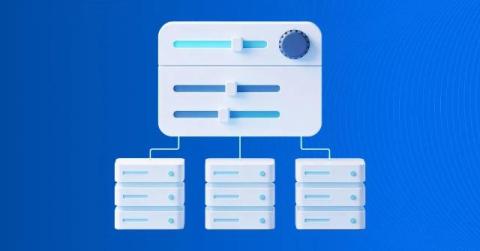
For connecting physical servers and computers to a network, you need physical network adapters, switches, and routers. With virtual machines, virtual network concepts are used for communication between the different components of an infrastructure. The proper configuration of ESXi networking on a host is critically important to the configuration of any ESXi environment. Generally, ESXi host networks include storage, vMotion, VM, and management networks.

Over 140 popular Mastra npm Packages Hit by Supply Chain Attack

On June 17th we detected a large-scale supply chain attack targeting the entire @mastra npm scope, a popular open-source AI agent framework. An attacker republished 141 packages in a burst between 01:15 and 02:00 UTC, silently injecting a malicious dependency into every one of them. The affected packages include @mastra/core, which has 918K weekly npm downloads, as well as mastra and create-mastra.

The 10 Best User & Entity Behavior Analytics (UEBA) Tools

User and entity behavior analytics (UEBA) tools are essential cybersecurity solutions, helping organizations to detect anomalous activities and hidden threats. In this article, we explore the top 10 UEBA tools on the market today. You’ll learn about their key features, use cases, pricing, and customer experiences.

How a Managed Security Service Provider Drives Smarter IT Solutions

For most growing businesses, trying to keep up with technology while also defending against hackers feels like a never-ending battle. Internal IT teams usually get buried under daily tech support tickets, which leaves them with no time to plan for the future or stop threats before they happen. This is where a managed security service provider (MSSP) makes a real difference. They help you move away from just reacting to problems and toward a setup that's smart, secure, and ready to grow.

How Businesses Reduce Costs Without Cutting Service Quality

Every business faces the challenge of managing costs. Whether it's a small local company or a large organization with multiple locations, operating expenses have a direct impact on profitability and long-term sustainability. However, cutting costs can be risky when it affects the customer experience. Reduced service quality often leads to dissatisfied customers, lower retention rates, and damage to a company's reputation.

Inside Modern Cybersecurity Companies: How Businesses Are Defending Email and Critical Infrastructure

Every business now depends on connected systems to communicate, store information, manage operations, and support customers. Email platforms handle sensitive conversations, Linux servers power cloud environments, and digital infrastructure keeps websites, applications, and internal networks running around the clock. While these technologies create efficiency and scalability, they also create opportunities for attackers looking to exploit weak points.

How Deep Cleaning Contributes to a Healthier Indoor Environment

Most people wipe down counters, run a vacuum across the floors, and figure that's enough. It's not. What's lurking beneath couch cushions, inside carpet fibers, and along baseboards you haven't touched in months tells a completely different story. Truth? Routine cleaning barely makes a dent. If your family's health is a priority, and it should be, understanding what deep cleaning actually accomplishes changes everything.

Next-Generation Localization Solutions for Apps and Interactive Games

Most digital products don't fail all at once. There's no crash screen or clear warning that something went wrong. Instead, user interest quietly starts to fade. A user opens an app, pauses for a moment longer than expected, and then leaves without thinking much about it. Few teams trace that hesitation back to language, but in many real-world products, that's exactly where the friction begins. This is where app localization servicesstop being a back-end task and start influencing how the product actually performs. It is no longer just about translating text. It shapes how naturally users move through the product.