Security | Threat Detection | Cyberattacks | DevSecOps | Compliance

Nevada Ransomware Campaign

Over the weekend, a relatively new ransomware group named Nevada Ransomware initiated a first massive campaign, targeting any ESXi machine that is exposed to the internet. The group seemed to compromise hundreds of servers over the weekend and caused major damage. Although the scale of this campaign is one of the biggest we have seen, it might already have a solution.

The Definitive Guide to Internet of Things (IoT) Privilege Access Management in 2023

According to a recent study, machine identities (IDs) are growing at twice the rate of human identities. To defend these machine identities in the IoT, privilege access management will be one of the most important areas of focus for businesses in the Internet of Things (IoT) space in 2023. As more and more devices are connected to the internet and can share data, it’s becoming increasingly important to make sure that only authorized users have access to sensitive information.

High costs are the main challenge for adopting zero-trust

Enterprises today have had to rethink how they apply security to their corporate network and, as a result, have decided to implement zero-trust principles. As this approach encompasses a security concept and an organizational vision, understanding the benefits it delivers requires cultural change and clear communication within companies.

What the GDPR Means for Your Organization

The European Union (EU) General Data Protection Regulation (GDPR) turns five this year. While the law spawned many imitators, most notably the California Consumer Privacy Act (CCPA), the GDPR remains the world’s most comprehensive, far-reaching data privacy law to date. It gave European citizens a wide swath of new data privacy rights, while placing significant new data governance responsibilities on organizations.

Dev-First Prevention Strategies

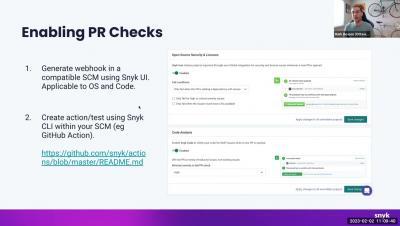
Security and engineering teams often fail to find a balance between meeting the necessary security objectives for their organization and ensuring maximum velocity. While security teams view the process of blocking new critical severity vulnerabilities as a basic security best practice, engineering teams often push back out of fear that it will create too much friction for their developers. This dynamic is often based on prior experience with legacy security systems that focus almost solely on the needs of security and fail to support developers in this process.