Security | Threat Detection | Cyberattacks | DevSecOps | Compliance

Securing Your PostgreSQL Database

Databases are the Holy Grail for hackers, and as such, must be protected with utmost care. This is the first in a series of articles in which we’ll give an overview of best practices for securing your databases. We’re starting with one of the most popular open-source databases, PostgreSQL, and will go over several levels of security you’d need to think about.

10 Database Security Best Practices You Should Know

According to Risk Based Security’s 2020 Q3 report, around 36 billion records were compromised between January and September 2020. While this result is quite staggering, it also sends a clear message of the need for effective database security measures. Database security measures are a bit different from website security practices. The former involve physical steps, software solutions and even educating your employees.
Evaluating MySQL Recursive CTE at Scale

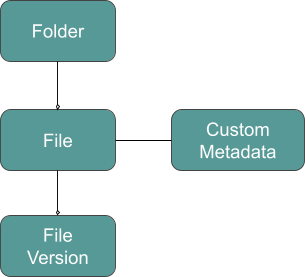
Egnyte is a unified platform to securely govern content everywhere. We manage billions of files and petabytes of content. One of the core infrastructure components powering such a scale is called MDB or metadata database. It is a cluster of hundreds of MySQL instances storing billions of metadata records. It stores information about files, versions, folders, custom metadata, and their relationships.

Don't Let Your Stored Procedures Lack Integrity

As a security analyst, engineer, or CISO, there are so many aspects of the field that require immediate attention that one cannot possibly know everything. Some of the common areas of security knowledge include topics such as where to place a firewall, configuration and patch management, physical and logical security, and legal and regulatory concerns.

How to Improve MySQL Security: Top 11 Ways

In the pantheon of open source heavyweights, few technologies are as ubiquitous as the MySQL RDBMS. Integral to popular software packages like WordPress and server stacks like LAMP, MySQL serves as the foundational data platform for a vast majority of websites and cloud services on the internet today. Unfortunately, its popularity translates to more commonly known attack vectors and security exploits —the following are 11 ways to shore up MySQL security and protect your data more effectively.